
What Is Skunk Marijuana? THC Levels, Potency, Effects and Modern Cannabis Explained






What Is Skunk Marijuana? THC Levels, Potency, Effects and Modern Cannabis Explained
Skunk marijuana refers to modern strains of cannabis that contain significantly higher levels of THC than traditional forms such as hashish or older “block” cannabis. While many people still associate cannabis with relatively mild effects, the reality is that today’s skunk cannabis is far more potent and, in some cases, more unpredictable.
Over the past two decades, advances in cultivation, selective breeding, and chemical research have transformed cannabis into a substance that is very different from what many people may remember.
What Makes Skunk Marijuana Different?
The term “skunk” is commonly used to describe high-potency cannabis, often produced using sinsemilla — the unfertilised female cannabis plant. Because the plant is not fertilised, it does not produce seeds. Instead, it directs its energy into producing resin, which contains high concentrations of THC (tetrahydrocannabinol), the main psychoactive compound.
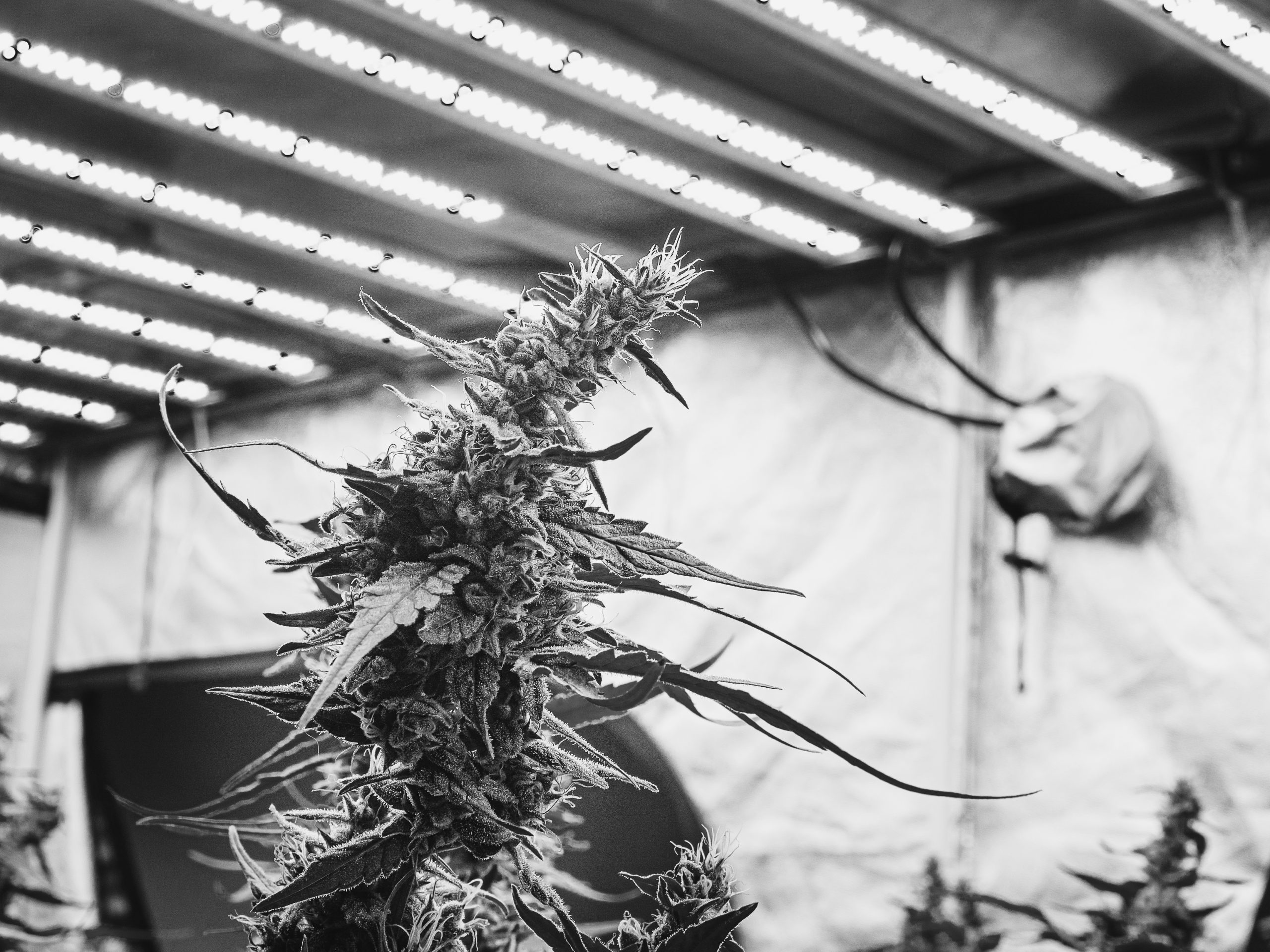
Unlike traditional cannabis, which was often grown outdoors, skunk is typically cultivated indoors in controlled environments. These setups commonly involve:
- Hydroponic growing systems
- Artificial nutrients
- High-intensity lighting
- Controlled temperature and humidity
These conditions allow growers to maximise potency and consistency, producing cannabis that is significantly stronger than older forms.
THC Levels: Then and Now
One of the most important differences between skunk marijuana and traditional cannabis is THC content.
- Traditional cannabis: approximately 2–4% THC
- Modern skunk cannabis: often 15–20%+ THC
This represents a substantial increase in potency. Research has confirmed that cannabis strength has risen significantly over time, meaning the effects experienced today can be far more intense than in previous decades.
Importantly, this is not just anecdotal. Forensic analysis of cannabis seizures and UK police reports, including work associated with organisations such as the National Crime Agency, consistently highlight the prevalence of high-potency cannabis produced in large-scale indoor operations.
The Discovery of THC
Despite cannabis being widely used for many years, its active compound remained unidentified until relatively recently. In 1964, Raphael Mechoulam and his team successfully isolated THC, identifying it as the primary psychoactive component of cannabis.
This discovery marked a turning point in scientific understanding. Once THC was identified, researchers were able to study its effects more accurately and begin to explore how it interacts with the brain.
Synthetic Cannabinoids: A More Powerful Development
Following the identification of THC, chemists began modifying its structure to create synthetic cannabinoids — substances designed to mimic the effects of THC.
In 1974, researchers at Pfizer developed a compound known as CP-55,940, which was estimated to be around 45 times more potent than natural THC.
Unlike cannabis, synthetic cannabinoids are not derived from the plant. They are entirely man-made and often produce stronger and less predictable effects.
Some of these compounds later appeared outside laboratory settings in products such as Spice and K2. These substances have been linked to:
- Severe anxiety
- Confusion
- Paranoia
This development highlights how cannabis-related substances have evolved beyond the plant itself into a wider and more complex category of compounds.
The Effects of High-Potency Skunk Cannabis
As THC levels increase, so does the intensity of the effects. Both research and clinical observations suggest that high-potency cannabis can be associated with:
- Increased anxiety and panic
- Memory and concentration difficulties
- Reduced motivation and emotional flatness
- Sleep disruption
- Dependency and withdrawal symptoms
In some individuals, particularly those who may already be vulnerable, high-strength cannabis has also been linked to an increased risk of psychotic experiences.
Clinical Insight: What Is Seen in Practice
From a clinical perspective, there has been a noticeable shift in how cannabis affects individuals today. What is often described as “just cannabis” is frequently high-potency skunk, and the impact can be quite different from what people expect.
In practice, many individuals report initially using cannabis as a way to relax or manage stress. However, over time, a different pattern can emerge.
Common experiences include:
- Feeling more anxious rather than less
- Struggling with motivation and direction
- Experiencing a sense of mental “fog”
- Finding it harder to concentrate or stay present
There is often a gap between intention and outcome. What begins as a coping strategy can gradually reinforce the very difficulties it was meant to ease.
Another important pattern is the subtle development of dependency. This can show up as increased frequency of use, reliance on cannabis to manage mood, or difficulty stopping despite a desire to do so.
Importantly, these patterns are not about judgement. They reflect the interaction between a high-potency substance and the individual’s way of coping with stress, emotion, and daily life.
A Changing Landscape
Modern cannabis is not the same substance it once was. Advances in cultivation, potency, and chemical development have fundamentally changed its nature.
This means that assumptions based on past experiences may no longer apply. What people are using today can be significantly stronger and, in some cases, less predictable.
Understanding these changes is essential. It provides a clearer picture of what skunk marijuana is, how it is produced, and how it may affect individuals in the modern context.
References (APA Style)
ElSohly, M. A., Mehmedic, Z., Foster, S., et al. (2016). Changes in cannabis potency over time. Biological Psychiatry, 79(7), 613–619.
Di Forti, M., Marconi, A., Carra, E., et al. (2015). High-potency cannabis and the risk of psychosis. The Lancet Psychiatry, 2(3), 233–238.
Mechoulam, R., & Gaoni, Y. (1964). Isolation of THC. Journal of the American Chemical Society, 86(8), 1646–1647.
National Academies of Sciences, Engineering, and Medicine. (2017). The health effects of cannabis and cannabinoids.
Royal College of Psychiatrists. (2020). Cannabis and mental health.
Crisis Support
If you are feeling overwhelmed, at risk, or unsure how to cope, it is important to seek support as soon as possible. You do not have to manage this alone.
If you are in immediate danger or feel unable to keep yourself safe, please call 999 or go to your nearest A&E department.
For urgent support and someone to talk to:
Samaritans (24/7 support)
https://www.samaritans.org/
Call: 116 123 (free from any phone in the UK)
NHS 111 (urgent medical and mental health support)
https://www.nhs.uk/nhs-services/urgent-and-emergency-care-services/when-to-call-111/
Call: 111
Shout (text support service)
https://giveusashout.org/
Text: SHOUT to 85258
Seeking Support
If anger has begun to affect your relationships, work, or wellbeing, professional counselling can help you understand the deeper emotional patterns that may be driving these reactions.
At Eleos Counselling, anger management counselling for men in West Sussex focuses on understanding the roots of anger, developing emotional awareness, and building greater self-compassion.
Phone (landline): 01403 900079
Mobile: 07854 602050
Email: info@eleoscounselling.com
Address: Eleos Counselling, Little East Street, Billingshurst, RH14 9NP
Website: www.eleoscounselling.co.uk
Crisis Support
If you are feeling overwhelmed or concerned that you may harm yourself or someone else, it is important to seek immediate support. You can contact the Samaritans on 116 123, speak to your GP, or contact NHS urgent mental health services.
Professional support is available, and you do not have to face these difficulties alone.


Frequently Asked Questions About Marijuana
What is the difference between skunk marijuana and traditional cannabis?
Skunk marijuana refers to modern cannabis strains that contain significantly higher levels of THC compared to traditional forms such as hashish or block cannabis. While older cannabis typically contained around 2–4% THC, skunk strains often reach 15–20% or more. This increase in potency can lead to stronger and sometimes less predictable effects.
Can marijuana be addictive?
Yes, marijuana can be addictive. Although it is often seen as less harmful than other substances, regular use can lead to psychological dependence. Some people find they begin to rely on cannabis to manage stress, sleep, or emotions, and may struggle to reduce or stop even when they want to.
What are the short-term effects of marijuana use?
Short-term effects can vary depending on the strength of the cannabis and the individual. Common effects include relaxation, altered perception, and changes in mood. However, higher-potency cannabis, such as skunk, can also lead to anxiety, paranoia, confusion, and difficulty concentrating.
What are the long-term effects of using high-potency cannabis?
Long-term use of high-THC cannabis may affect memory, concentration, motivation, and emotional wellbeing. Some individuals also report increased anxiety or low mood over time. In certain cases, particularly where there is vulnerability, high-potency cannabis has been linked to more serious psychological difficulties.
How can I tell if my cannabis use is becoming a problem?
You may notice that cannabis use is becoming a concern if you:
- Use more frequently than intended
- Rely on it to cope with stress or emotions
- Find it difficult to cut down or stop
- Experience negative effects on work, relationships, or wellbeing
If these patterns are present, it may be helpful to speak with a professional and explore your relationship with cannabis in a supportive and non-judgemental space.
Where to Get Help for Cannabis Use in the UK
If you’re concerned about cannabis use, the following organisations offer confidential support and guidance:
Talk to FRANK
https://talktofrank.com/get-help/find-support-near-you
NHS Drug Addiction Services
https://www.nhs.uk/live-well/addiction-support/drug-addiction-getting-help/
Change Grow Live
https://www.changegrowlive.org/
We Are With You
https://www.wearewithyou.org.uk/
Turning Point
https://www.turning-point.co.uk/support/drugs-alcohol
Marijuana Anonymous UK
https://www.marijuana-anonymous.co.uk/
Mind (Mental Health Support)
https://www.mind.org.uk/information-support/types-of-mental-health-problems/recreational-drugs-alcohol-and-addiction/drug-and-alcohol-addiction-useful-contacts/
Disclaimer
The organisations listed above are provided for information and signposting purposes only. Eleos Counselling is not affiliated with, nor responsible for, the content, availability, or services offered by external organisations. Inclusion on this page does not constitute an endorsement. If you are in immediate danger or crisis, please contact emergency services, your GP, or NHS urgent mental health services.
Tony Larkin is an experienced and compassionate psychotherapist based in West Sussex, offering professional support to individuals and couples. He is an accredited member of the BACP (British Association for Counselling and Psychotherapy) and works in line with its ethical framework, ensuring a safe, confidential, and respectful therapeutic environment.
With over 10 years of clinical practice and more than 15,000 hours of therapeutic experience, Tony brings a depth of knowledge and real-world understanding to his work. He is also a member of Addiction Professionals and has training in EMDR, allowing him to support clients with trauma, addiction, anxiety, and complex emotional difficulties.
Tony’s approach is grounded in empathy, warmth, and genuine human connection. He understands that seeking therapy can feel difficult, and he offers a calm, non-judgemental space where clients can explore their thoughts and feelings at their own pace. His work is informed by compassion-focused and trauma-informed principles, helping clients move away from self-criticism and towards greater understanding, resilience, and emotional balance.
Whether working with individuals or couples, Tony combines clinical expertise with a deeply empathic style, supporting clients to feel heard, understood, and empowered to make meaningful changes in their lives.
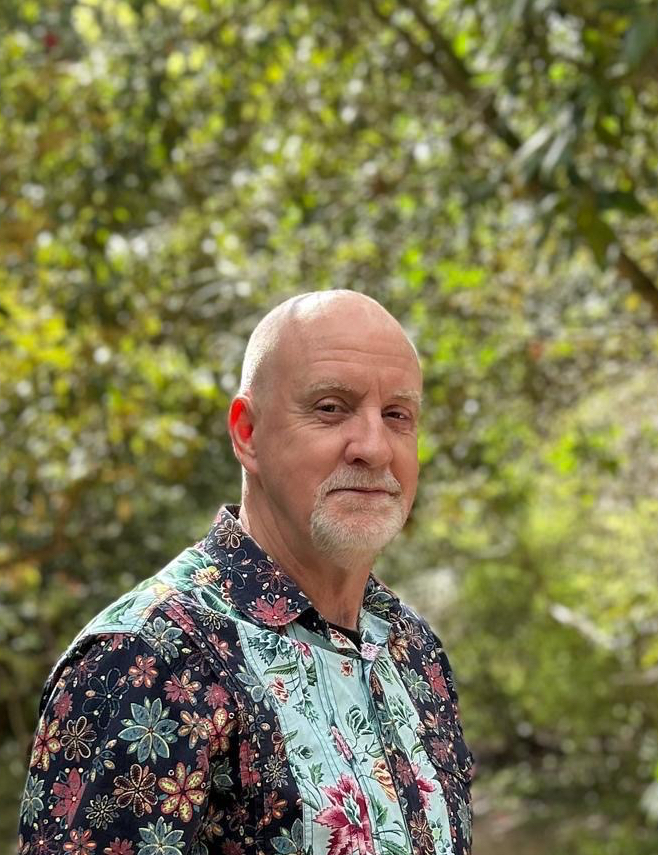
Tony Larkin FDA,BA (Hons) MBACP (Acc)
Disclaimer: The organisations listed below are provided for information and additional support only. Eleos Counselling is not affiliated with, endorsed by, or responsible for the content, availability, or services offered by external organisations or third-party websites.
I’m Tony Larkin, a qualified psychotherapist and counsellor based in West Sussex. As the founder of Eleos Counselling, I provide a safe, supportive space for people facing challenges such as anxiety, addiction, perfectionism, trauma, and relationship difficulties. With years of experience, I combine professional knowledge with compassion, helping clients find new perspectives, rediscover confidence, and build healthier connections. My approach is rooted in empathy and the belief that lasting change comes through understanding, self-compassion, and support
Stay In Touch
Office
Eleos Counselling Ltd The Workshop, Little East Street, Billingshurst, West Sussex RH14 9NP
Phone Number
01403 900097