
Two Worlds of Cocaine Use in the UK – And the Growing Shadow of Fentanyl


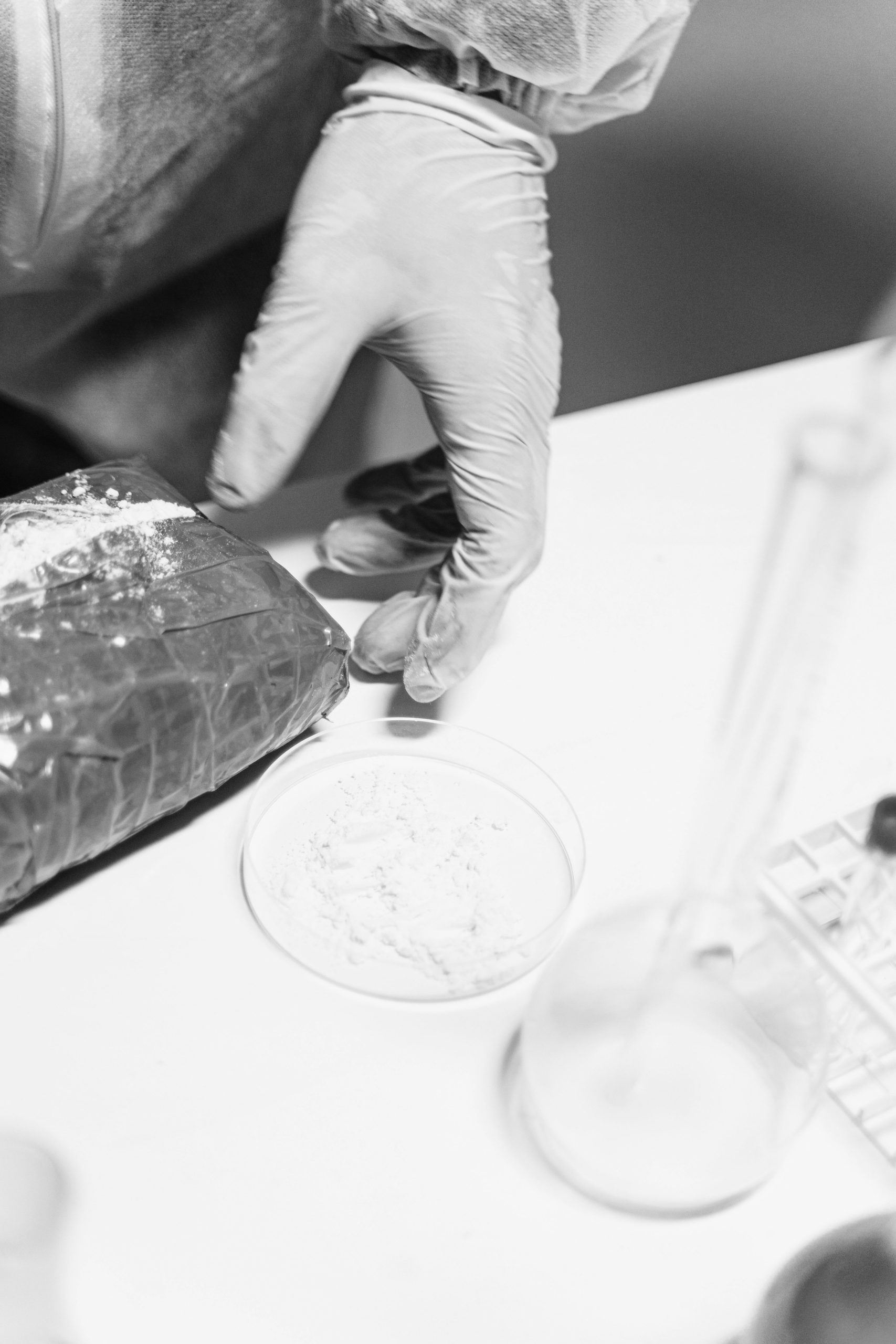






Cocaine Use, Safety, and Emerging Risks
Psychoeducation for clients considering counselling at Eleos Counselling
This page is offered as therapy-safe psychoeducation. Its purpose is to support understanding, reflection, and safety, not to judge, label, or push you towards any particular decision. Many people arrive here feeling uncertain rather than certain. That uncertainty matters and deserves care.
At Eleos Counselling, we recognise that substance use often develops for understandable reasons.
Two Worlds of Cocaine Use in the UK – And the Growing Shadow of Fentanyl
Cocaine use in the UK is often talked about as if it belongs to one group of people. In reality, current evidence and clinical experience suggest something far more complex. There are different social worlds of cocaine use, shaped by money, access, setting, and secrecy. Alongside this, a newer and more dangerous trend is emerging: the contamination of non-opioid drugs with fentanyl and other synthetic opioids.
This blog explores:
-
The two broad patterns of cocaine use commonly seen in the UK
-
How class, context, and supply shape risk
-
Why the idea of “safe” or “pure” cocaine is increasingly unreliable
-
And why fentanyl has changed the risk landscape for everyone
Cocaine use in the UK: a broad and changing picture
Cocaine use in the UK now cuts across age groups, professions, and lifestyles. Some people use cocaine socially, often linked with drinking or nightlife. Others use it privately, sometimes connected to work stress, confidence, or coping with pressure.
What matters most from a therapeutic perspective is not how often or where cocaine is used, but what role it plays in someone’s emotional and psychological life.
For many people, cocaine initially feels helpful. It may:
-
Increase confidence or sociability
-
Reduce tiredness or emotional discomfort
-
Create a sense of control or relief
Over time, however, people often notice unintended effects such as anxiety, disrupted sleep, low mood, irritability, or a sense of emotional flatness. These changes can happen even when use feels “under control”.
Two common patterns of cocaine use,
Rather than dividing people into fixed categories, clinicians often notice patterns that can overlap or change over time.
1. Social or situational use
This may involve:
-
Use alongside alcohol
-
Weekends, celebrations, or social settings
-
Sharing with others
-
Seeing use as occasional or contained
Because this use is visible and shared, it can feel safer. However, mixing cocaine with alcohol places extra strain on the heart and nervous system, and binge patterns can increase physical and emotional risk.
2. Private or contained use
This may involve:
-
Using alone or in private spaces
-
More consistent access to supply
-
Less connection to nightlife or drinking
-
A strong sense of secrecy or self-management
This pattern can feel controlled, but it can also mean that changes in wellbeing go unnoticed for longer. People using privately often delay seeking support due to fear of judgement or concern about professional or personal consequences.
Importantly, people can move between these patterns, and neither says anything about character, strength, or failure.
Why “purity” does not equal safety
A common belief is that some cocaine is “clean” or “pure” and therefore safer. In reality:
-
Cocaine strength varies unpredictably
-
Higher purity can increase overdose and cardiac risk
-
Adulterants may still be present
No one can reliably know what is in a substance once it enters the illicit supply chain.
Fentanyl: what it is and why it matters
What is fentanyl?
Fentanyl is a synthetic opioid used medically for pain relief under strict supervision. Outside medical settings, illicitly manufactured fentanyl is extremely strong—many times more potent than morphine.
Why fentanyl is relevant to cocaine users
Historically, fentanyl was associated with heroin and opioid use. However, international monitoring and drug-checking services have shown that fentanyl has occasionally appeared in non-opioid drugs, including cocaine.
This usually happens through:
-
Cross-contamination during processing
-
Shared equipment or supply routes
-
Mixing further up the distribution chain
It is important to note:
-
People using cocaine are not seeking opioids
-
Most have no opioid tolerance
-
Even very small amounts can suppress breathing
This makes unexpected exposure particularly dangerous.
The National Crime Agency has highlighted the growing global presence of synthetic opioids and the need for early awareness in the UK, even though prevalence remains lower than in some other countries.
Emotional and psychological impacts to be aware of
Regardless of pattern or frequency, longer-term cocaine use is commonly associated with:
-
Heightened anxiety or panic
-
Sleep disruption and exhaustion
-
Low mood or emotional numbness
-
Increased self-criticism or shame
-
Relationship strain or withdrawal
Many people notice that cocaine gradually shifts from being a solution to becoming part of the problem, even when they are not using daily.
Why people often delay seeking support
In therapy, people often describe thoughts such as:
-
“I’m not as bad as other people”
-
“I should be able to handle this myself”
-
“I don’t want to be judged or labelled”
-
“Stopping would mean losing part of my life”
These concerns are understandable. They can also keep people stuck longer than they would like.
Seeking therapy does not require:
-
Hitting a crisis point
-
Deciding to stop using
-
Defining yourself as “addicted”
It can simply mean wanting space to think, reflect, and understand what is going on.
How therapy can help
Counselling and psychotherapy offer a confidential space to:
-
Explore what cocaine gives you and what it costs you
-
Understand emotional or relational drivers
-
Work with stress, trauma, or perfectionism
-
Reduce shame and secrecy
-
Reconnect with choice and agency
At Eleos Counselling, work is trauma-informed and paced, respecting autonomy. Where appropriate, approaches such as EMDR may help address underlying experiences that fuel coping strategies, including substance use.
A note on safety and support
If you are concerned about immediate risk, physical safety comes first.
-
In an emergency, contact emergency services
-
For urgent emotional distress, you can contact Samaritans on 116 123
-
Your GP can also be a first point of confidential support
If you are not in crisis but feel uneasy about your relationship with cocaine, that feeling is worth listening to.
Final reassurance
People use substances for reasons that make sense in the context of their lives. Therapy is not about taking something away without understanding what it provides.
If you are curious, uncertain, or quietly concerned, you are welcome to explore this at your own pace. Awareness is not failure—it is often the first step towards greater steadiness and self-compassion.
Take the First Step
You don’t have to face loneliness or mental health struggles alone. Seeking help is not weakness—it is an act of courage. If you’re ready to talk, Eleos Counselling is here to support you.
Contact Eleos Counselling today:
📞 Landline: 01403 900079
📱 Mobile: 07854 602050
📧 Email: info@eleoscounselling.com
🏡 Address: Eleos Counselling, Little East Street, Billingshurst, RH14 9NP
🌐 Website: www.eleoscounselling.co.uk
Your wellbeing matters. Together, we can work to reduce loneliness and support stronger mental health for men across West Sussex.
National Drug and Alcohol Agencies in the UK
FRANK – National Drugs Information Service
Provides confidential information and advice about drugs and alcohol, including how to find local support services across the UK.
Website: https://www.talktofrank.com
We Are With You
A national charity offering free, confidential support for people experiencing difficulties with drugs, alcohol, or mental health. Services are available across England and Scotland, with online and local support options.
Website: https://www.wearewithyou.org.uk
Change Grow Live (CGL)
A national health and social care charity providing drug and alcohol treatment, recovery support, harm reduction, and wellbeing services throughout the UK.
Website: https://www.changegrowlive.org
Turning Point
A national social enterprise delivering drug and alcohol services alongside mental health and wellbeing support across England and Wales.
Website: https://www.turning-point.co.uk
The Forward Trust
A UK charity supporting people affected by drug and alcohol dependence, including community services, prison-based programmes, and recovery pathways.
Website: https://www.forwardtrust.org.uk
Alcohol Change UK
A leading national charity focused on reducing alcohol harm through education, research, and public health campaigns.
Website: https://alcoholchange.org.uk
Adfam
A national charity supporting families, carers, and friends affected by someone else’s drug or alcohol use.
Website: https://adfam.org.uk
Cranstoun
A national organisation providing drug and alcohol treatment services, harm reduction, and recovery support across multiple UK regions.
Website: https://cranstoun.org
Via (We Are Via)
A national charity delivering free, confidential support for adults and young people affected by drug and alcohol use across England.
Website: https://www.viaorg.uk
Addiction Family Support
Provides confidential telephone and email support to people affected by a loved one’s drug or alcohol use.
Website: https://addictionfamilysupport.org.uk
Peer and Mutual Aid Organisations (National Reach)
Alcoholics Anonymous (AA) – UK
A peer-led fellowship offering mutual support for people who want to stop drinking.
Website: https://www.alcoholics-anonymous.org.uk
Narcotics Anonymous (NA) – UK
A peer support fellowship for people seeking recovery from drug use.
Website: https://ukna.org
SMART Recovery UK
An evidence-based recovery programme offering tools and meetings for people affected by addictive behaviours.
Website: https://smartrecovery.org
NHS and Government Support
NHS Drug and Alcohol Support Services
Official NHS guidance on drug and alcohol treatment, including how to access local services and self-referral options.
Drug support: https://www.nhs.uk/live-well/addiction-support/drug-addiction-getting-help/
Alcohol support: https://www.nhs.uk/live-well/alcohol-advice/alcohol-support/
Tony Larkin FDA,BA (Hons) MBACP (Acc)
I’m Tony Larkin, a qualified psychotherapist and counsellor based in West Sussex. As the founder of Eleos Counselling, I provide a safe, supportive space for people facing challenges such as anxiety, addiction, perfectionism, trauma, and relationship difficulties. With years of experience, I combine professional knowledge with compassion, helping clients find new perspectives, rediscover confidence, and build healthier connections. My approach is rooted in empathy and the belief that lasting change comes through understanding, self-compassion, and support
Stay In Touch
Office
Eleos Counselling Ltd The Workshop, Little East Street, Billingshurst, West Sussex RH14 9NP
Phone Number
(01403)900097