
Pornography and Sex Addiction | Eleos Counselling West Sussex






Pornography Addiction Counselling in West Sussex
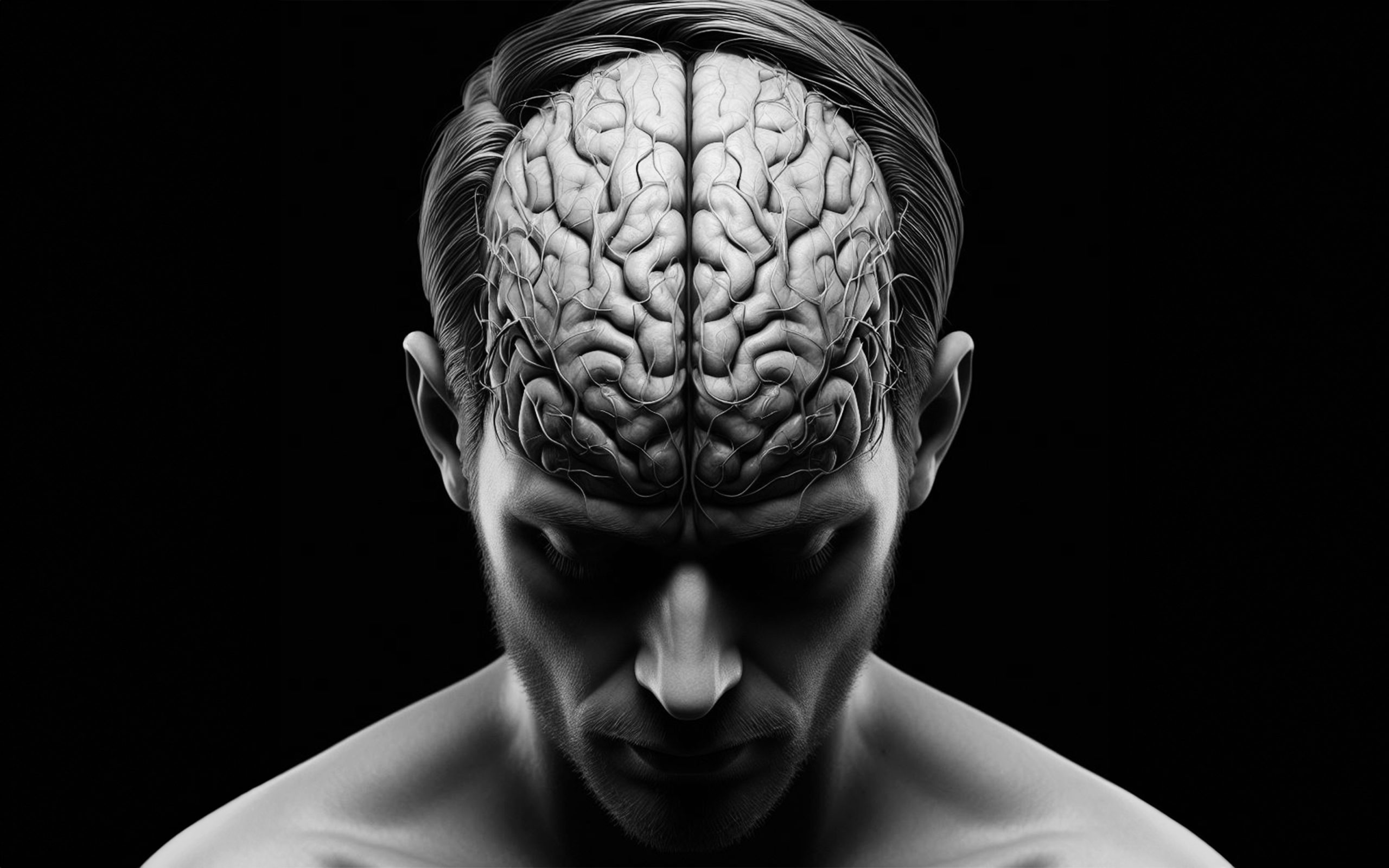
Pornography addiction can feel isolating, confusing, and deeply distressing. Many people who seek pornography addiction counselling in West Sussex describe feeling caught in patterns they no longer recognise or want, yet struggle to stop. Over time, pornography use can move from curiosity or stress relief into something that feels compulsive, secretive, and emotionally overwhelming.
At Eleos Counselling, we offer confidential, non-judgemental therapy for adults experiencing difficulties with pornography and compulsive sexual behaviours. Therapy provides a safe space to understand what is driving the behaviour, reduce shame, and rebuild a sense of choice, control, and emotional balance.
Importantly, you do not need to be at “rock bottom” to seek help. Many people come to therapy simply because something no longer feels right.
Understanding Pornography Addiction
Pornography addiction is not about moral failure or lack of willpower. Instead, it often reflects how the brain responds to repeated stimulation, stress, and emotional dysregulation. Over time, pornography can become a coping strategy for managing anxiety, loneliness, low self-esteem, boredom, or unresolved trauma.
Recent UK data highlights how widespread pornography use has become. Ofcom research found that 13.8 million UK adults — around 29% of the population — accessed online pornography content in May 2024. While many people use pornography without seeking help, therapists across the UK are increasingly seeing clients whose use has become distressing or harmful.
In clinical settings, therapists are reporting a significant rise in clients presenting with concerns linked to sexually explicit material, with estimates suggesting an uplift of around 75% over the past three to four years. This reflects not only increased access, but also changing content, greater intensity, and earlier exposure.
For some individuals, pornography use begins to affect:
-
Emotional regulation and mood
-
Concentration and motivation
-
Intimacy and sexual functioning
-
Self-esteem and identity
-
Relationships and trust
Therapy focuses on understanding why the behaviour developed and how change can happen safely and sustainably.
Pornography, Relationships, and Harmful Sexual Scripts
One of the most concerning trends observed by clinicians relates to the impact of pornography on sexual expectations and behaviour. Research and clinical reports increasingly point to links between repeated exposure to violent or degrading sexual content and the normalisation of harmful practices.
It is estimated that 38% of women aged between 18 and 39 report having been strangled during sex, with growing evidence suggesting an association between this behaviour and pornography-influenced sexual scripts. While pornography does not cause violence in a simple or direct way, repeated exposure can shape beliefs about consent, intimacy, power, and what is considered “normal” sexual behaviour.
In therapy, these issues are approached with care and responsibility. Pornography addiction counselling is not about blame, but about increasing awareness, restoring empathy, and supporting healthier, consensual, and emotionally connected intimacy.
How Therapy for Pornography Addiction Can Help
Pornography addiction counselling at Eleos Counselling in West Sussex is tailored to the individual. Therapy is paced carefully and grounded in compassion, emotional safety, and accountability.
Therapy may help you:
-
Understand triggers and emotional drivers behind pornography use
-
Reduce shame and secrecy
-
Develop healthier ways of regulating stress and difficult feelings
-
Rebuild trust and emotional connection in relationships
-
Explore boundaries, consent, and values around intimacy
-
Strengthen impulse control and self-awareness
Many clients report that therapy helps them feel calmer, clearer, and more grounded — often for the first time in years.
A Compassionate, Ethical Approach
Eleos Counselling works within the BACP Ethical Framework, prioritising confidentiality, safeguarding, and respect. Therapy is not about labelling or judgement, but about helping you understand yourself more deeply and make meaningful changes.
Pornography addiction often sits alongside anxiety, depression, trauma, loneliness, or relationship difficulties. Therapy takes a whole-person approach rather than focusing narrowly on behaviour alone.
Professional Standards and Experience
Eleos Counselling is committed to high professional and ethical standards. Our therapists are experienced in working with addiction, emotional regulation, trauma, and co-occurring mental health difficulties. In addition, Eleos Counselling is a registered member of Addiction Professionals, the leading UK membership organisation for professionals working with addictive behaviours.
This membership reflects a commitment to ongoing training, ethical practice, and evidence-informed approaches to addiction counselling. Clients can feel reassured that they are receiving support grounded in professional accountability and current best practice.
Pornography Addiction Counselling in West Sussex
If pornography use is affecting your wellbeing, relationships, or sense of self, support is available. You do not have to face this alone.
Eleos Counselling offers professional, discreet psychotherapy and counselling for pornography addiction in West Sussex, in a calm and supportive environment.
If you are in immediate distress or feel at risk of harm, please contact your GP, NHS 111, or Samaritans on 116 123.
Related Support Options in West Sussex
If you’re exploring recovery from alcohol use, you may also find these pages helpful. Many people look into nearby support, such as alcohol addiction counselling in Petworth, alcohol support in Billingshurst, or options for online addiction therapy across West Sussex. If stress, trauma, or difficult life events contribute to your drinking, you may also want to read more about substance misuse counselling or trauma and PTSD therapy.
Pornography Addiction Counselling in West Sussex – Frequently Asked Questions
Is pornography addiction something therapy can genuinely help with?
Yes. Many people find therapy deeply helpful when pornography has started to feel compulsive, secretive, or out of control. Therapy offers a confidential space to understand why porn has become a coping strategy and to gently explore healthier ways of managing emotions, stress, intimacy, or loneliness.
Do I have to label myself as “addicted” to start therapy?
Not at all. Some people feel uncomfortable with labels, and that’s okay. Therapy focuses on your lived experience — how pornography is affecting your wellbeing, relationships, self-esteem, or sense of control — rather than forcing you into a category.
Will I be judged or shamed for what I’ve watched or done?
No. Therapy at Eleos Counselling is grounded in compassion, respect, and emotional safety. You won’t be judged, shocked, or criticised. Many people carry deep shame around pornography use; therapy works to reduce shame, not reinforce it.
Why has pornography become such a strong pull for me?
For many people, pornography functions as a way to regulate difficult feelings such as stress, anxiety, boredom, loneliness, rejection, or emotional pain. Therapy helps uncover the emotional and relational roots beneath the behaviour, rather than focusing only on stopping it.
Do I have to talk about explicit details in sessions?
Only what feels necessary and manageable for you. Therapy moves at your pace. The focus is not on explicit content but on understanding patterns, emotional triggers, and the impact pornography is having on your life.
Are Eleos Counselling therapists qualified to work with addiction?
Eleos Counselling has experience working with addiction and co-occurring mental health difficulties. Eleos Counselling is also a registered member of Addiction Professionals, the leading UK organisation for those working with addictive behaviours, reflecting a commitment to ethical and informed practice.
Can therapy help if pornography has affected my relationship?
Yes. Pornography use can strain trust, intimacy, and communication within relationships. Therapy can help you explore these impacts, work with feelings of guilt or fear, and support healthier emotional and relational connection — whether you’re in a relationship or not.
What if I’ve tried to stop before and failed?
Many people have tried to stop on their own and felt discouraged when it didn’t last. Therapy understands relapse not as failure, but as information. Together, you’ll look at what makes change hard and develop realistic, compassionate strategies for long-term recovery.
Is pornography addiction linked to mental health or trauma?
Often, yes. Pornography use can be connected to anxiety, depression, low self-worth, attachment wounds, or unresolved trauma. Therapy provides a safe place to explore these deeper layers, helping change become more sustainable.
How long does therapy for pornography addiction usually take?
There’s no fixed timeline. Some people notice changes within weeks; others benefit from longer-term support. Therapy is tailored to your needs, goals, and pace, rather than following a rigid programme.
What’s the first step if I’m thinking about starting therapy?
The first step is simply reaching out. An initial conversation allows you to ask questions, share what’s bringing you to therapy, and see whether Eleos Counselling feels like the right fit for you. There’s no pressure — just an invitation to begin.
National Support Agencies for Pornography Addiction (UK)
1. StopSO (Stop Sexual Obsessions)
A UK charity offering confidential support for people distressed by compulsive sexual behaviours, including problematic pornography use and intrusive sexual thoughts.
Helpline: 0800 061 4688
Website: https://stopso.org.uk
2. Samaritans
Provides confidential emotional support for anyone experiencing distress, including shame, anxiety, or crisis linked to addictive behaviours.
Helpline: 116 123 (free, UK)
Email: jo@samaritans.org
Website: https://www.samaritans.org
3. NHS Talking Therapies
NHS psychological therapy services that can support compulsive behaviours, anxiety, depression, and emotional difficulties associated with pornography use.
Access: GP referral or self-referral via NHS services
Website: https://www.nhs.uk
4. CALM (Campaign Against Living Miserably)
Support for men experiencing emotional distress, isolation, and unhealthy coping behaviours.
Helpline / Webchat: 0800 58 58 58
Website: https://www.thecalmzone.net
5. Anxiety UK
Support and resources for anxiety-related difficulties, which often coexist with compulsive pornography use.
Helpline: 03444 775 774
Website: https://www.anxietyuk.org.uk
6. Relate
Relationship counselling and support for individuals and couples affected by pornography use, intimacy difficulties, and trust issues.
Helpline: 0300 100 1234
Website: https://www.relate.org.uk
7. Survivors UK
Specialist support for male survivors of sexual abuse and trauma, which can underlie compulsive sexual behaviours.
Helpline: 020 3598 3898
Website: https://www.survivorsuk.org
8. The Reward Foundation
Educational resources on the impact of pornography on the brain, behaviour, and relationships, with recovery-focused information.
Website: https://www.rewardfoundation.org
9. Mind
National mental health charity offering information, advice, and signposting for compulsive behaviours and emotional distress.
Infoline: 0300 123 3393
Text: 86463
Website: https://www.mind.org.uk
Important Disclaimer (Google-Aligned)
The organisations listed above are provided for general information and signposting purposes only. Inclusion in this list does not constitute endorsement or guarantee of services. Support availability, eligibility, and response times may vary.
This information is not a substitute for professional diagnosis, therapy, or emergency support. If you or someone else is at immediate risk of harm, please contact emergency services (999 in the UK), your GP, local NHS crisis team, or Samaritans on 116 123.
Eleos Counselling is an independent counselling and psychotherapy service. For personalised support, assessment, or treatment, please seek help from a qualified healthcare professional.
Disclaimer
The organisations listed above are provided for information and signposting purposes only. Eleos Counselling is not affiliated with, nor responsible for, the content, availability, or services offered by external organisations. Inclusion on this page does not constitute an endorsement. If you are in immediate danger or crisis, please contact emergency services, your GP, or NHS urgent mental health services.
Begin Your Journey Toward Balance
To learn more or to book your first session, please contact us today.
We’re here to help you move beyond survival and toward a life defined by calm, clarity, and resilience.
Eleos Counselling, West Sussex
Phone (landline): 01403 900079
Mobile: 07854 602050
Email: info@eleoscounselling.com
Address: Eleos Counselling, Little East Street, Billingshurst, RH14 9NP
Website: www.eleoscounselling.co.uk
Tony Larkin FDA,BA (Hons) MBACP (Acc)
I’m Tony Larkin, a qualified psychotherapist and counsellor based in West Sussex. As the founder of Eleos Counselling, I provide a safe, supportive space for people facing challenges such as anxiety, addiction, perfectionism, trauma, and relationship difficulties. With years of experience, I combine professional knowledge with compassion, helping clients find new perspectives, rediscover confidence, and build healthier connections. My approach is rooted in empathy and the belief that lasting change comes through understanding, self-compassion, and support
Stay In Touch
Office
Eleos Counselling Ltd The Workshop, Little East Street, Billingshurst, West Sussex RH14 9NP
Phone Number
(01403)900097