
Phobia Counselling West Sussex — Understanding Fear and Finding a Way Through







Written by Tony Larkin, FDA, BA (Hons), MBACP (Accredited), Founder of Eleos Counselling, Billingshurst, West Sussex.
Phobias are among the most common anxiety-related difficulties that people experience. Yet for many people, a phobia quietly shapes daily life for years before they seek support. Perhaps certain situations are avoided without really thinking about why. Perhaps the fear feels too embarrassing to mention. Or perhaps it has simply been managed for so long that asking for help has never felt justified.
If any of that sounds familiar, this page is for you.
At Eleos Counselling, we offer phobia counselling West Sussex clients can access in a calm, compassionate, and professionally informed setting. This page is designed to help you understand what phobias are, how they develop, and how therapy — including EMDR — can support meaningful and lasting change.
What Is a Phobia?
A phobia is an intense, persistent, and often disproportionate fear of a specific object, situation, or experience. Unlike ordinary anxiety, which tends to shift with circumstances, a phobia produces a consistent and often overwhelming fear response — even when the person fully recognises that the fear may not be rational.
Phobias are classified as anxiety disorders. According to the NHS, they affect approximately ten million people in the United Kingdom, making them the most common anxiety-related condition in the country. Furthermore, phobias are far more than simply disliking something. They can trigger genuine physical symptoms — rapid heartbeat, shortness of breath, dizziness, nausea, and a powerful urge to escape — even at the thought of encountering the feared object or situation.
Specific Phobias
Specific phobias involve a fear of a particular object or experience. Common examples include:
- heights — acrophobia
- flying — aviophobia
- spiders — arachnophobia
- dogs — cynophobia
- needles or injections — trypanophobia
- vomiting — emetophobia
- enclosed spaces — claustrophobia
- dental treatment — dental phobia
- blood — haemophobia
- driving or road travel
Social Phobia
Social phobia, also known as social anxiety disorder, involves an intense fear of social situations — particularly those involving scrutiny, judgment, or potential embarrassment. It can affect public speaking, meeting new people, eating in public, or performing in any context where others might observe.
Agoraphobia
Agoraphobia is often misunderstood as simply a fear of open spaces. In reality, it is more accurately a fear of situations where escape might be difficult or where help might not be available if panic occurs. Consequently, it can lead to significant restriction of movement and daily activity.
How Do Phobias Develop?
Phobias do not emerge randomly. Instead, they usually develop through a combination of personal history, learned responses, and nervous system activation. Understanding this can be genuinely reassuring — because it means a phobia is not a sign of weakness or irrationality. Rather, it is a learned pattern that the mind and body have developed for understandable reasons.
The Role of Past Experience
Many phobias develop following a distressing or frightening experience. A dog bite in childhood, a difficult experience on an aircraft, a traumatic medical procedure, or a panic attack in a public place can all leave a lasting imprint. Moreover, the nervous system stores these experiences as threat signals, and subsequently responds as though the original danger is present — even when it clearly is not.
In other cases, phobias develop through observation. A child who witnesses a parent respond with terror to a particular object may internalise that response, learning through proximity that the object is dangerous. This is known as vicarious learning and is well documented in the phobia literature.
The Nervous System and the Threat Response
From a neuroscience perspective, phobias involve the brain’s threat detection system — particularly the amygdala, which plays a central role in processing fear. When a phobic trigger is encountered, the amygdala can activate a threat response before the thinking part of the brain has had a chance to evaluate the actual danger. As a result, the body prepares for fight, flight, or freeze — heart rate increases, breathing changes, muscles tighten, and the urge to escape becomes overwhelming.
This is not a failure of character. It is the nervous system doing exactly what it was designed to do — protect from perceived danger. The difficulty is that the perceived danger does not always reflect reality. Therefore, therapy can work with both the mind and the nervous system together to gently update that threat response over time.
How Phobias Affect Daily Life
Phobias rarely stay neatly contained within the feared situation. Instead, they tend to expand gradually — influencing choices, limiting freedom, and shaping daily life in ways that accumulate over time.
Avoidance and Its Costs
The most common response to a phobia is avoidance. Avoiding the feared object or situation brings immediate relief. However, avoidance also maintains and often strengthens the phobia. Because the fear is never tested against reality, the nervous system never receives new information that the situation is safe. Consequently, the feared object retains its power — and avoidance often has to increase over time to manage the anxiety.
The practical costs of avoidance can be considerable. A fear of flying may limit travel, career opportunities, or family experiences. A dental phobia may lead to significant health consequences from years of avoided treatment. A fear of driving can restrict independence and increase daily stress. Social phobia can affect relationships, work, and a person’s sense of connection with others.
The Emotional Weight of Living With a Phobia
Beyond the practical impact, phobias often carry a significant emotional burden. Many people feel embarrassed or ashamed of their fears, particularly when they believe others do not share them or would not understand. Furthermore, years of managing alone — finding ways to avoid, deflect, or minimise — can be genuinely exhausting.
Some people describe a quiet grief about what their phobia has cost them. The flight they did not take. The social event they withdrew from. The dental appointment they cancelled again. At Eleos Counselling, we understand that phobia therapy in West Sussex is rarely just about the fear itself. It is also about the life that has been narrowed by it.

Therapy for Phobias — How It Can Help
Therapy for phobias does not require dramatic confrontation or forced exposure. Instead, effective support tends to begin with understanding — making sense of where the phobia came from, what maintains it, and what would need to change for it to lose its grip.
At Eleos Counselling, our approach draws on the work of Dr Paul Gilbert and his model of Compassion Focused Therapy, alongside the humanistic and person-centred tradition of Dr Carl Rogers. We also draw heavily on the self-compassion framework developed by Dr Kristin Neff. This means that therapy at Eleos is never about challenging or shaming a person for their fear. Rather, it involves creating a warm, accepting, and professionally informed space in which genuine change becomes possible.
Furthermore, we hold a trauma-informed perspective in all of our work. This means we are always curious about what may lie beneath a presenting difficulty — whether that is a specific memory, a period of adversity, or an earlier experience that shaped how the nervous system learned to respond to certain situations.
A Compassionate Starting Point
Many people arrive at therapy having spent years telling themselves they are being silly, weak, or irrational. That kind of self-criticism rarely helps and often makes the phobia harder to address. Therefore, one of the first things therapy can offer is permission to take the experience seriously — without judgment and without pressure.
From that compassionate starting point, it becomes possible to explore the phobia with curiosity rather than shame. When did it begin? What triggers it most powerfully? How has avoidance shaped daily life? What has been lost because of it? These questions, explored gently and without rush, often reveal patterns that make the phobia far more understandable — and therefore far more workable.

EMDR and Phobia Therapy West Sussex
One approach that has attracted growing interest in the treatment of phobias — particularly those with a traumatic or distressing origin — is EMDR, or Eye Movement Desensitisation and Reprocessing.
EMDR was originally developed and researched as a treatment for post-traumatic stress disorder. Its evidence base in that area is now substantial. The World Health Organisation, the National Institute for Health and Care Excellence, and the American Psychological Association all recognise EMDR as an effective treatment for PTSD.
More recently, clinicians and researchers have begun exploring its application to specific phobias. The results are encouraging, particularly where the phobia developed following a frightening or traumatic event.
What the Research Says
Research published in the Journal of EMDR Practice and Research suggests that EMDR can produce significant improvements in phobia symptoms within a relatively small number of sessions — particularly in cases where the phobia is connected to a specific distressing memory or experience (de Jongh and ten Broeke, 2007).
Studies examining EMDR for dental phobia found that in two to three sessions of EMDR treatment, clients demonstrated a substantial decline in anxiety, reduced credibility of dysfunctional beliefs, and significant behaviour changes. Psycho-trauma
Research in the Journal of EMDR Practice and Research concludes that trauma-based specific phobias and those with high initial levels of anxiety respond most favourably to EMDR treatment. EMDR International Association
It is important to be honest about where the evidence currently stands. The research base for EMDR and specific phobias is still developing, and for some phobias — particularly those without a clear traumatic origin — other approaches such as gradual exposure may be more appropriate. At Eleos Counselling, we are always guided by what the evidence suggests and what feels clinically right for each individual. We do not apply EMDR formulaically. Instead, we use it thoughtfully, where the presentation suggests it may offer genuine benefit.
How EMDR Works
EMDR works by helping the brain reprocess distressing memories or experiences that have become stuck. When a memory is not processed fully, it can remain stored in a way that keeps triggering the same emotional and physical responses — even years later. EMDR uses bilateral stimulation, most commonly guided eye movements, to support the nervous system while the distressing material is gently revisited.
The result, for many people, is that a memory which previously felt overwhelming begins to lose its emotional charge. It is still there — but it no longer activates the same fear response. Consequently, the phobia connected to it can begin to diminish.
Eleos Counselling provides EMDR therapy as part of a wider, integrative therapeutic approach. Where EMDR is clinically appropriate, it can be offered alongside other therapeutic support in a way that feels safe, gradual, and respectful of each person’s individual needs and pace.
Common Phobias We Work With in West Sussex
Phobia counselling at Eleos Counselling may be helpful for a wide range of specific fears. These include but are not limited to:
- fear of flying
- dental phobia
- fear of heights
- needle or injection phobia
- emetophobia — fear of vomiting
- social phobia and social anxiety
- claustrophobia
- fear of animals such as spiders or dogs
- driving phobia or road travel anxiety
- health anxiety and illness phobia
- fear of thunder and lightning
- phobias connected to previous accidents or medical procedures
If your phobia is not listed here, please do get in touch. Whatever the specific fear, the underlying patterns are often similar, and the same compassionate and clinically informed approach applies.
Why Choose Eleos Counselling for Phobia Therapy in West Sussex?
Eleos Counselling was founded by Tony Larkin on a clear and consistent therapeutic philosophy — that every person who comes through the door deserves to be met with warmth, clinical skill, and genuine human respect. That philosophy shapes every aspect of the work, from the first contact to the final session.
About Tony Larkin
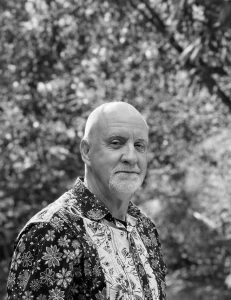 Tony Larkin holds the following professional credentials and memberships:
- FDA, BA (Hons) — academic foundation in psychology and counselling
- MBACP (Accredited) — Accredited Member of the British Association for Counselling and Psychotherapy
- Member of EMDR Europe — trained and practising EMDR therapist
- Member of Addiction Professionals
- Fellow of the ACCPH — Accredited Counsellors, Coaches, Psychotherapists and Hypnotherapists
With over 15,000 hours of clinical practice, Tony brings a depth of experience that only comes from sustained, serious therapeutic work across a wide range of presentations. Furthermore, Tony’s ongoing professional development means that his practice remains informed by current research and evolving clinical thinking.
Tony’s approach draws heavily from three clinical traditions. The first is Compassion Focused Therapy, developed by Dr Paul Gilbert, which places the cultivation of compassion — for oneself and others — at the heart of therapeutic change. The second is the self-compassion framework developed by Dr Kristin Neff, which emphasises the importance of meeting one’s own distress with kindness rather than criticism. The third is the humanistic and person-centred tradition, which holds that every person carries within them the capacity for growth, given the right conditions of warmth, empathy, and unconditional positive regard.
In addition to these frameworks, Tony maintains a consistently trauma-informed viewpoint. This means that whatever brings a person to therapy, he remains curious about the role that earlier experiences may have played — and approaches that exploration with care, patience, and professional skill.
How Much Does Phobia Therapy Cost?
The cost of therapy is something many people wonder about before making contact. At Eleos Counselling, we believe in being transparent about this from the outset.
Therapy fees vary depending on the nature of the work and the length of the therapeutic journey. Some phobias respond well within a relatively small number of sessions, particularly where EMDR is appropriate and the phobia has a clear traumatic origin. Others benefit from a longer and more exploratory process.
Rather than offering fixed packages, we work with each person individually to understand what they need and what feels manageable. An initial conversation costs nothing. That first contact is simply an opportunity to talk about what is happening and to find out whether working with Eleos Counselling feels like the right fit — without any obligation or pressure.
If cost is a concern, please do raise it. It is a completely reasonable thing to discuss, and we would rather have that conversation honestly than have it become a barrier to someone accessing support.
Frequently Asked Questions About Phobia Counselling West Sussex
What is the difference between a fear and a phobia?
A fear is a natural response to genuine danger. A phobia is an intense, persistent fear that is excessive in relation to the actual threat and significantly interferes with daily life. Although the person usually recognises that the fear is disproportionate, they find it very difficult to control. Furthermore, a phobia involves consistent avoidance that can limit freedom and quality of life over time.
Can phobias be treated successfully?
Yes. Phobias are among the most treatable anxiety-related conditions. With appropriate professional support, many people experience meaningful and lasting reduction in their phobia — and in some cases the fear diminishes substantially or resolves altogether.
Is EMDR suitable for all phobias?
EMDR is particularly well suited to phobias that developed following a distressing or traumatic experience. For phobias without a clear traumatic origin, other approaches may be more appropriate. At Eleos Counselling, we assess each person individually and always discuss which approach seems most clinically appropriate for their specific presentation.
How many sessions of therapy will I need?
This varies considerably depending on the individual, the nature of the phobia, and the therapeutic approach used. Some people notice significant improvement within a handful of sessions. Others benefit from a longer and more exploratory process. Tony will discuss this honestly from the outset and will review progress regularly throughout the work.
Is phobia counselling available online?
Yes. Eleos Counselling offers both face-to-face and online sessions, making support accessible regardless of your location within or beyond West Sussex. Online sessions can be a particularly helpful option for people whose phobia makes travel difficult.
Is phobia counselling available online?
Yes. Eleos Counselling offers both face-to-face and online sessions, making support accessible regardless of your location within or beyond West Sussex. Online sessions can be a particularly helpful option for people whose phobia makes travel difficult.
What if I have had bad experiences with therapy before?
Previous unhelpful experiences are worth discussing openly, and they often provide valuable information in shaping a more effective approach. At Eleos Counselling, we take the quality of the therapeutic relationship seriously — because that relationship is itself central to any meaningful change.
Crisis Support
Phobias can sometimes intersect with acute anxiety or panic. If you feel unable to manage your distress safely, please seek urgent support.
- Call 999 if you are in immediate danger
- Contact NHS 111 for urgent mental health support
- Call Samaritans on 116 123 — available 24 hours a day, seven days a week
- Speak to your GP for a same-day urgent appointment
Take the First Step
Phobias can feel isolating. They can be embarrassing to talk about and easy to minimise — especially when others cannot see the impact they are having on daily life. However, you do not have to keep managing alone.
At Eleos Counselling, we offer compassionate, professionally informed phobia counselling in West Sussex for adults who are ready to understand their fear and begin finding a way through it. Whether your phobia has been present for years or has emerged more recently, support is available — and change is genuinely possible.
If you would like to find out more, or simply want to have a conversation about whether therapy might help, we would be glad to hear from you.
Eleos Counselling The Workshop, Little East Street, Billingshurst, West Sussex, RH14 9NP Phone: 01403 900079Mobile: 07854 602050 Email: info@eleoscounselling.co.uk Website: www.eleoscounselling.co.uk
Phobia Support and Further Reading
- NHS — Phobias: https://www.nhs.uk/mental-health/conditions/phobias/
- Mind — Phobias: https://www.mind.org.uk/information-support/types-of-mental-health-problems/phobias/
- EMDR Europe: https://www.emdr-europe.org/
- EMDR Association UK: https://emdrassociation.org.uk/
- Anxiety UK: https://www.anxietyuk.org.uk/
Eleos Counselling is not affiliated with any external organisation listed above. These are provided for information and additional support only.
References
de Jongh, A., and ten Broeke, E. (2007). Treatment of specific phobias with EMDR: Conceptualization and strategies for the selection of appropriate memories. Journal of EMDR Practice and Research, 1(1), 46–56.
de Jongh, A., ten Broeke, E., and Renssen, M.R. (1999). Treatment of specific phobias with eye movement desensitization and reprocessing (EMDR): Protocol, empirical status, and conceptual issues. Journal of Anxiety Disorders, 13(1–2), 69–85.
NHS. (n.d.). Phobias. https://www.nhs.uk/mental-health/conditions/phobias/
World Health Organisation. (2022). International classification of diseases, 11th revision (ICD-11). https://icd.who.int/
Yunitri, N., et al. (2020). The effectiveness of eye movement desensitization and reprocessing in reducing anxiety symptoms. Journal of Psychiatric Research, 130, 343–352.
All external links are provided for informational purposes only. Eleos Counselling accepts no responsibility for the content of third-party websites.
Tony Larkin FDA,BA (Hons) MBACP (Acc)
Disclaimer: The organisations listed below are provided for information and additional support only. Eleos Counselling is not affiliated with, endorsed by, or responsible for the content, availability, or services offered by external organisations or third-party websites.
I’m Tony Larkin, a qualified psychotherapist and counsellor based in West Sussex. As the founder of Eleos Counselling, I provide a safe, supportive space for people facing challenges such as anxiety, addiction, perfectionism, trauma, and relationship difficulties. With years of experience, I combine professional knowledge with compassion, helping clients find new perspectives, rediscover confidence, and build healthier connections. My approach is rooted in empathy and the belief that lasting change comes through understanding, self-compassion, and support
Stay In Touch
Office
Eleos Counselling Ltd The Workshop, Little East Street, Billingshurst, West Sussex RH14 9NP
Phone Number
01403 900097