
Grief Counselling West Sussex — When Loss Does Not Follow the Rules





Grief Counselling West Sussex — When Loss Does Not Follow the Rules
Grief is one of the few experiences that connects every human being on earth. At some point in life — whether through the death of a beloved pet, a grandparent, a parent, a partner, or a friend — every one of us will know what it means to lose someone we love.
Recent research suggests that 86% of people over the age of 16 in the UK have experienced grief. Yet despite how universal it is, grief remains one of the most misunderstood and under-supported experiences a person can go through. Many people arrive at therapy not because they are grieving — but because they feel they are grieving wrong. Or so they have been told.
At Eleos Counselling, we offer grief counselling in West Sussex for adults who are navigating loss in all its forms — including the grief that does not follow the expected stages, the grief that arrives years late, and the grief that carries far more than sadness inside it.
This page comes from clinical experience — not from a textbook account of bereavement, but from an honest reflection on what grief actually looks like in the therapy room and what genuine therapeutic support can offer.

The Five Stages — and Why They Can Mislead
Most people who have encountered grief have also encountered the five stages model. Swiss-American psychiatrist Elisabeth Kübler-Ross developed this model to describe five stages of grief — denial, anger, bargaining, depression, and acceptance. It has become so embedded in popular culture that many people arrive at grief carrying not just their loss, but a set of expectations about how that loss should feel and how long it should last.
The difficulty is that Kübler-Ross herself never intended the stages as a rigid sequential framework. Furthermore, the research base for grief has moved on considerably since her original work in the late 1960s. Her work grew from observations of terminally ill patients — not bereaved people — and she never designed it as a prescriptive map of how grief must unfold.
What Grief Actually Looks Like
In clinical practice, grief rarely moves in a straight line. A person can move through denial, anger, bargaining, and something resembling acceptance within a single fifty-minute therapy session — and arrive at the next session having cycled back to the beginning. The idea of grief arriving in neat sequential stages is, for many people, not only inaccurate but actively unhelpful.
People can be left feeling they are doing grief incorrectly — that they should be further along by now, that something is wrong with them because they are still angry, or still bargaining, or still unable to find the acceptance they have been told should eventually arrive.
Nothing could be further from the truth. One of the first things therapy can offer a grieving person is permission — permission to grieve in the way that they actually grieve, rather than the way they believe they should.
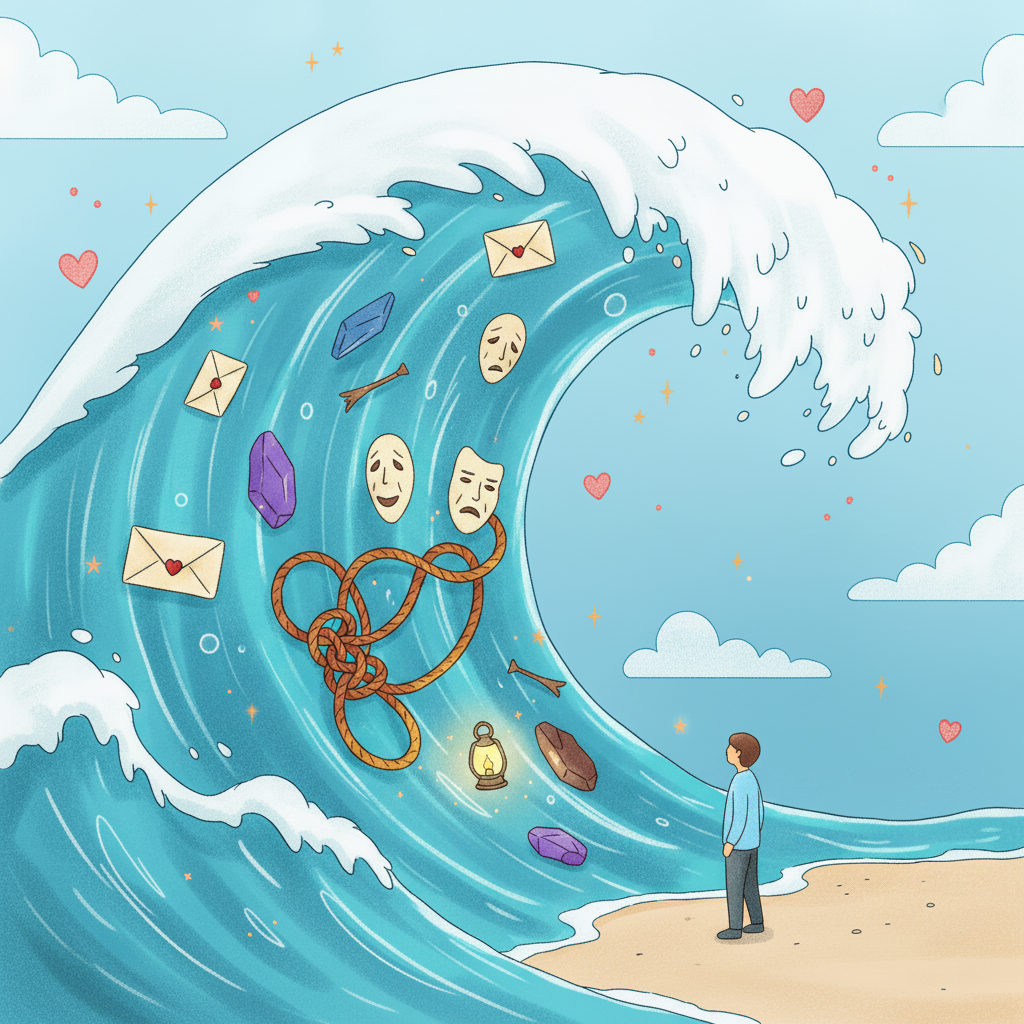
The Tsunami — A Different Way of Understanding Grief
In clinical work with bereaved clients, one metaphor has proven more useful than almost any other. It is the image of a tsunami.
Most people think of grief as the wave itself — the enormous, overwhelming surge of emotion that arrives after a loss. And it is true that the wave is part of it. However in a tsunami, it is rarely the water alone that causes the most damage. What does the most harm is what the water carries with it. The detritus. The wreckage. Everything the wave picks up as it travels.
Grief works in precisely the same way.
What the Wave Carries
The wave of grief is powerful. But what sits inside the grief tends to hurt the most. In clinical practice, the most common passengers inside the grief wave are these.
Regret
The conversations that never happened, the visits that were postponed, the words that went unsaid. Regret can make grief feel not just painful but contaminated — as though the loss itself is not enough without the additional weight of what was left undone or unspoken.
Guilt
The belief that something could or should have gone differently. Guilt in grief often has very little to do with actual wrongdoing. Nevertheless it can feel absolutely real and absolutely deserved. It sits inside the wave and makes it heavier than it would otherwise be.
Shame
Perhaps the most hidden passenger of all. Shame in grief often takes the form of believing that the intensity of the feeling is inappropriate, disproportionate, or weak. Or conversely that not feeling enough is a sign of not having loved enough. People rarely speak shame aloud. Yet in the therapy room it appears in almost every bereavement case — quietly shaping how the loss gets carried and how much of it anyone can share.
Unfinished relational business
Grief is rarely clean. Many people grieve relationships that were complicated, ambivalent, or painful. The death of an estranged parent, an abusive partner, or a difficult sibling can produce grief that feels socially unacceptable or impossible to explain. The wave carries all of that complexity.
Relief
one of the most heavily shamed emotions in grief. When someone has been caring for a terminally ill person, or has survived a damaging relationship, relief is a completely understandable response to loss. Yet many people feel profound shame about it — as though relief somehow cancels out the love. It does not. A safe space in which to name it can make an enormous difference.
Why This Matters Clinically
Understanding grief through the tsunami metaphor changes the nature of the therapeutic work. Rather than focusing only on the loss itself, therapy at Eleos Counselling attends carefully to what the wave is carrying. What is in this particular person’s grief? What has the loss stirred up that was perhaps already there? What is the mix of emotions that makes this grief feel the way it feels — and what does each of those emotions need in order to be held, named, and gradually integrated?
This is not an abstract exercise. It is the difference between therapy that sits with a person in their pain and therapy that actually helps them understand it.
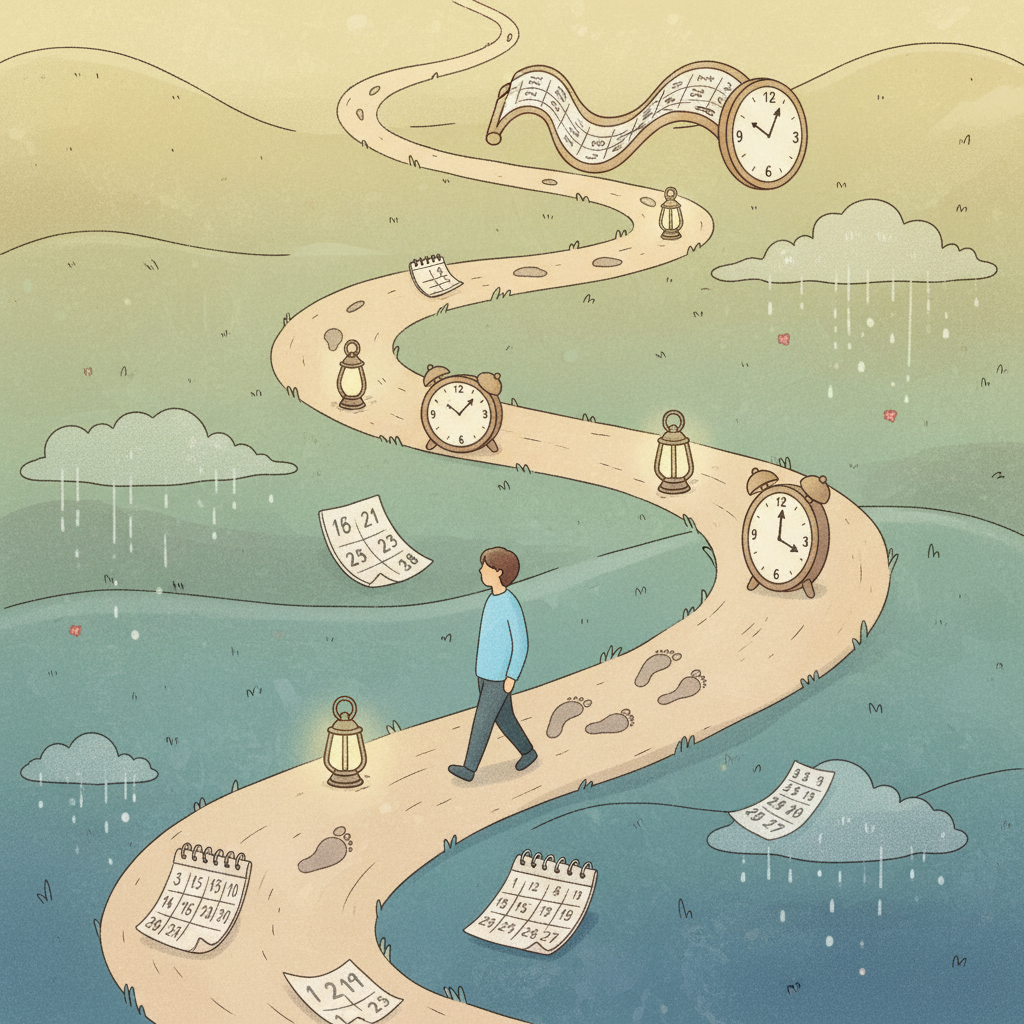
When Grief Does Not Follow the Expected Timeline
An illustration contrasting the emotional overwhelm of early grief with the community support that can begin to emerge three months into the bereavement journey.[/caption]One of the most common reasons people seek grief counselling is not that they are in acute distress immediately following a loss. It is that they are still in distress long after those around them expect the grieving to be over.
Research suggests that while most bereaved people adjust with support from family and friends, between 10% and 20% remain in a state of chronic and disabling grief — a condition now recognised in clinical literature as Prolonged Grief Disorder. Many more people experience grief that simply moves more slowly, or more irregularly, than social expectations allow.
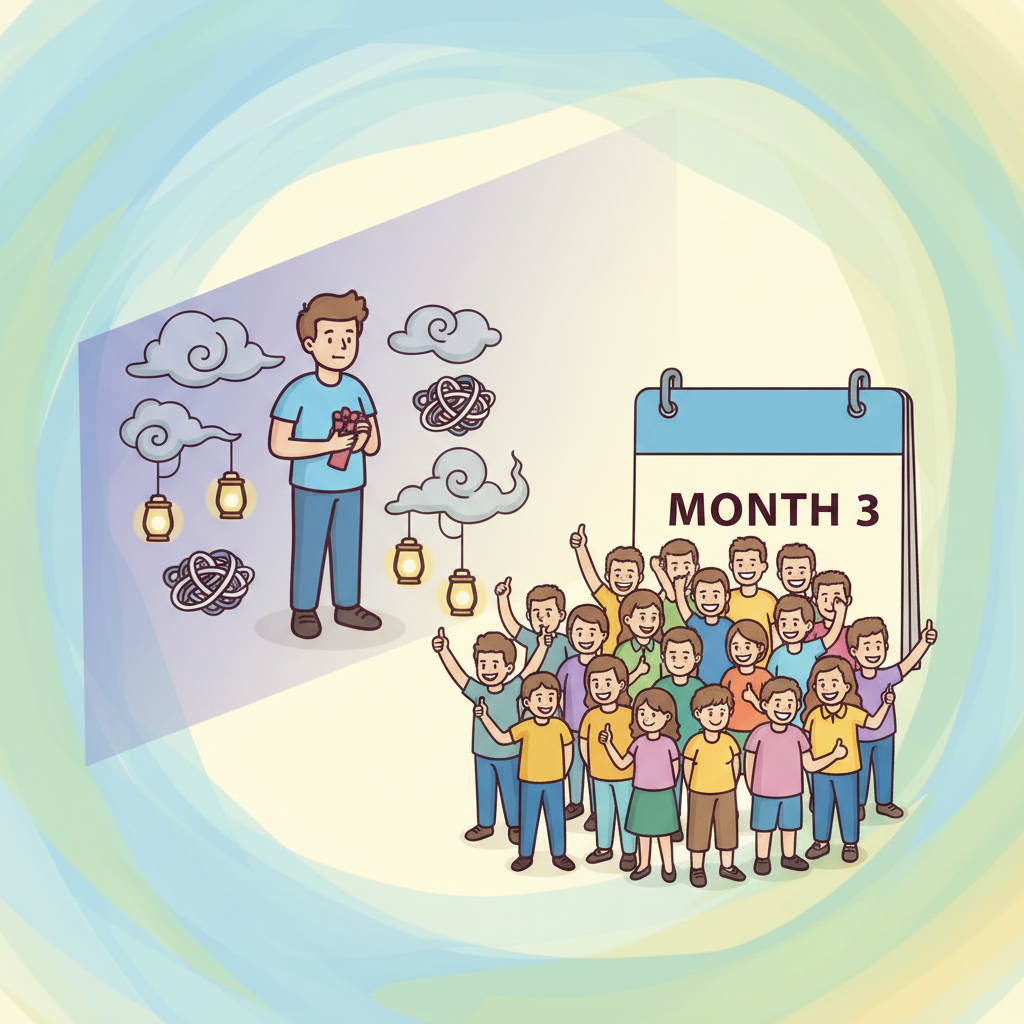
The Three Month Rule — and Why It Fails People
There is an unspoken social contract around grief. For approximately three months following a significant bereavement, people around the bereaved person tolerate, support, and understand expressions of grief. After that, a subtle pressure begins to build. Questions stop coming. Cards stop arriving. The bereaved person faces a quiet expectation to be getting back to normal.
Research has found that 57% of people who lost a parent said support from friends and family tapered off after around three months following the death. Yet grief — particularly grief that carries regret, guilt, shame, or relational complexity — does not work to a three month schedule. For many people, the acute phase of grief does not even begin until several months after the loss, once the practical demands of death have passed and the reality of the absence begins to land.
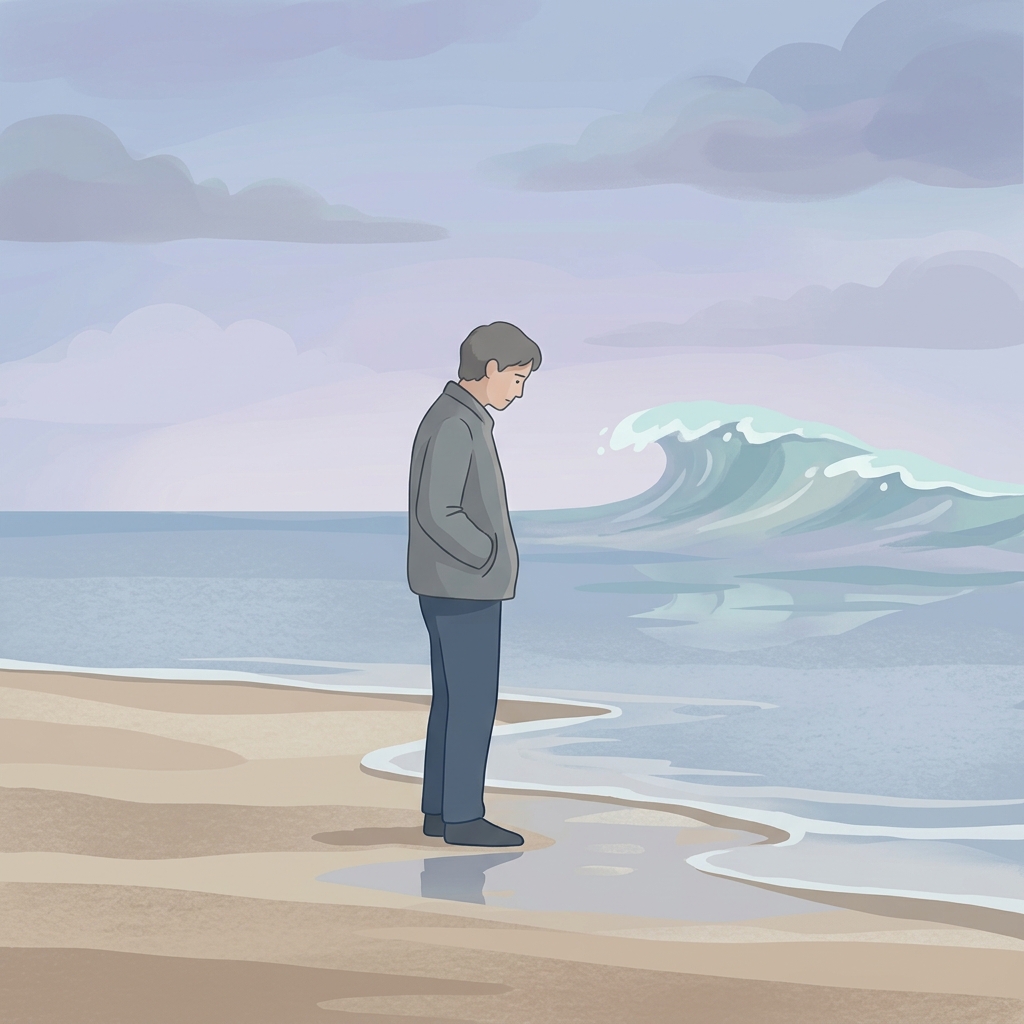
Delayed Grief — When the Wave Arrives Late
Some people do not grieve at all in the immediate aftermath of a loss. Life continues. Arrangements get made. Others need supporting. And then — sometimes months or years later — something small and seemingly unrelated opens a door that was never properly closed. A piece of music. A smell. A moment of unexpected quiet. The wave arrives, apparently from nowhere, long after everyone else has moved on.
This is not a sign that something has gone wrong. In many cases, it is simply the way a particular person’s nervous system and psychological defences have managed an experience that was too large to be processed in real time.
Therapy provides the space in which delayed grief can finally arrive and be met with the care it deserved when it first began.
How Grief Affects Daily Life
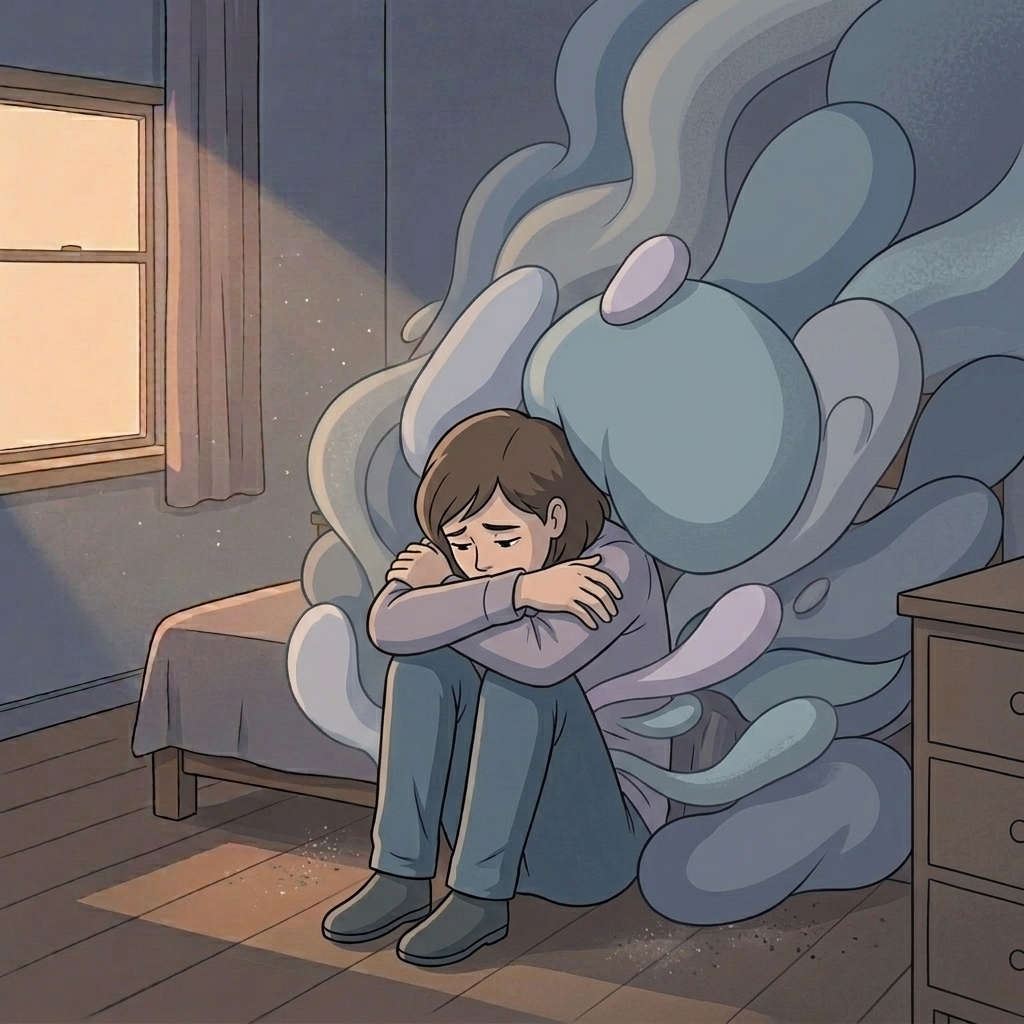
Grief is not only an emotional experience. It is a whole-person experience that affects the body, the mind, relationships, identity, and the capacity to function in everyday life.
The Physical Experience of Grief
Many people find the physical dimension of grief surprising. The exhaustion that arrives without obvious cause. The tightness in the chest. The loss of appetite or the compulsive eating. The disrupted sleep. The sense of physical heaviness that makes even ordinary tasks feel demanding. These are not signs of weakness or illness — they are the body’s response to profound loss and the extraordinary effort of carrying a grief that has not yet found adequate expression.
The Impact on Identity
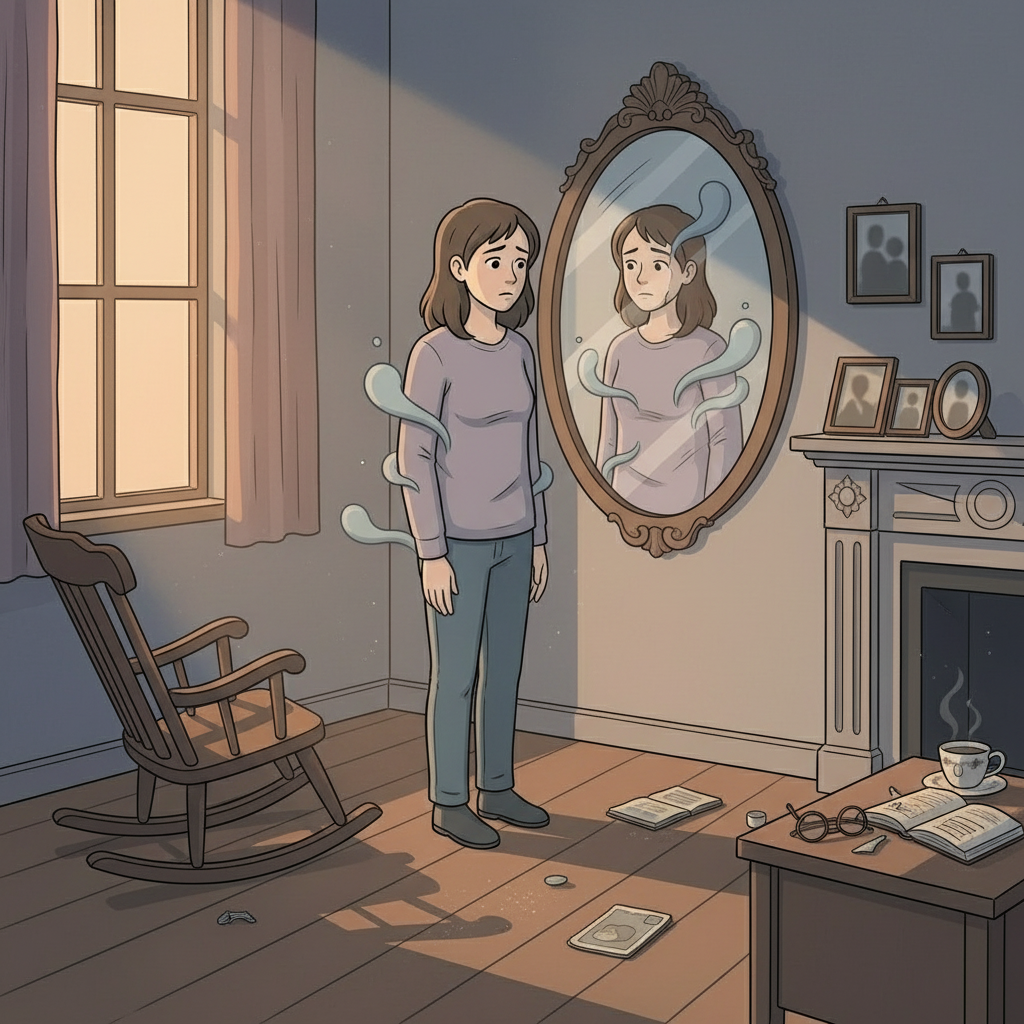
For many bereaved people, losing a significant person also means losing a significant part of themselves. A widow who has never lived alone. A person who has always been defined by being someone’s child. A carer whose entire daily structure centred on the needs of the person who has died. Grief in these cases is not only about missing the person. It raises an existential question that loss leaves behind — who am I now that this person is gone?
Short-term or structured bereavement support rarely addresses this dimension of grief. Yet it is often the dimension that matters most in the long run.
The Impact on Relationships
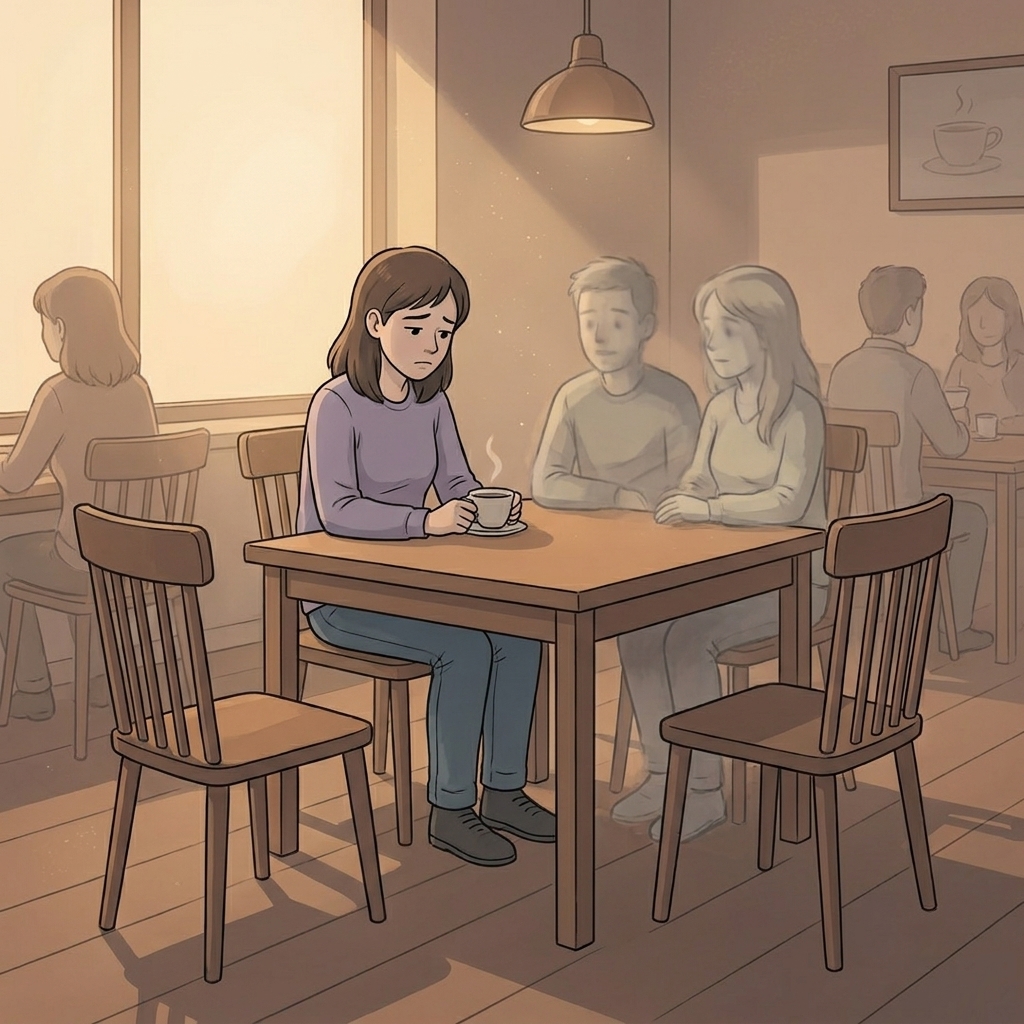
Grief can be isolating even when surrounded by people. Research from a representative sample of bereaved UK adults found that individuals with intense prolonged grief and weaker community connections face particular vulnerability to loneliness. People grieve differently, too — and those differences can create distance and misunderstanding between people who love each other and are both in pain.
Grief Counselling West Sussex — How Therapy Can Help
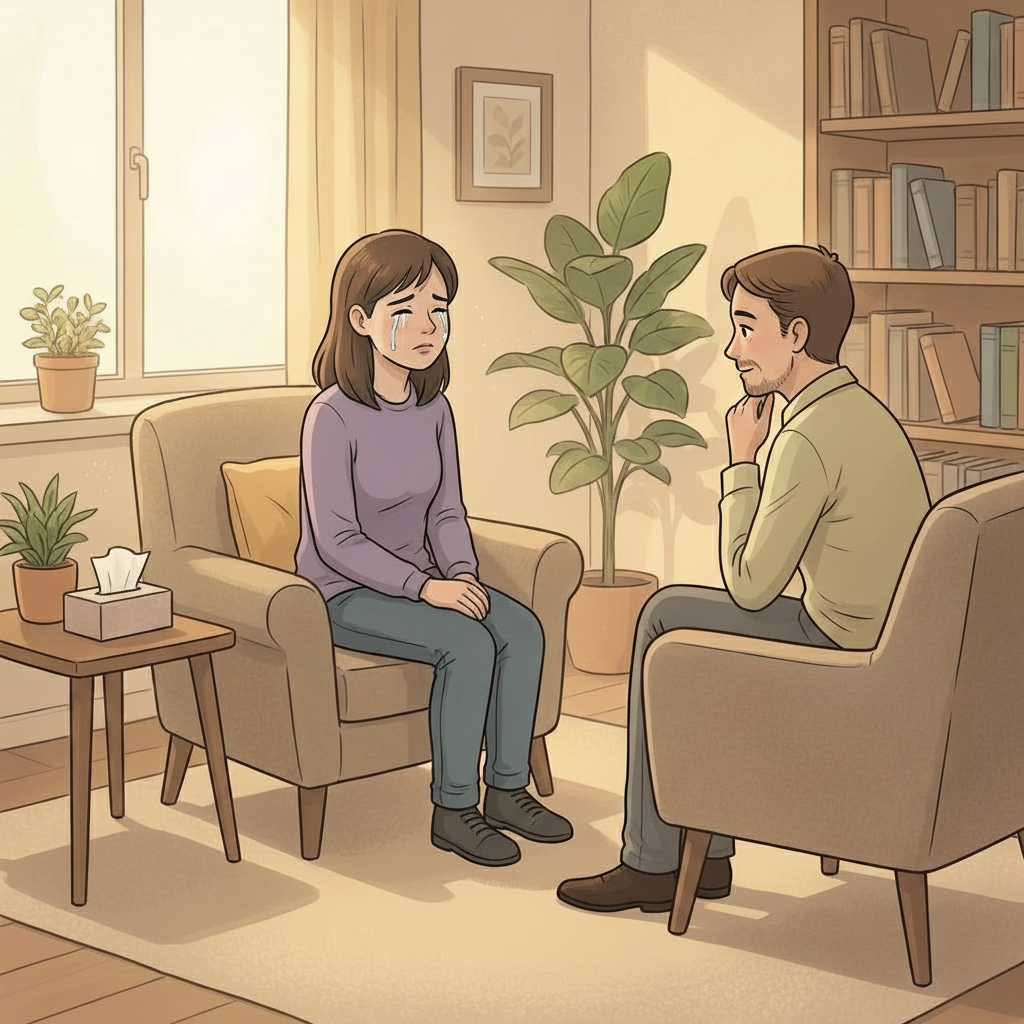
Grief counselling at Eleos Counselling is not about helping people get over their loss. The aim is not to produce acceptance on a schedule. Instead, therapy provides a space where the full complexity of a person’s grief can find expression, receive careful attention, and gradually become part of a life that continues to have meaning.
What Therapy Offers
Therapy for grief may help you to do the following.
Name and explore what is actually inside your grief — the regret, the guilt, the shame, the relief, the anger, the love, and everything else the wave is carrying. Find language for experiences that have felt impossible to articulate. Understand why your grief is moving in the way it is — and feel less alone with its irregularity. Explore the relationship with the person who has died in all its complexity — including the parts that were difficult, unresolved, or ambivalent. Begin to address the identity questions that loss raises — who you are now, and who you might become. Gradually build a life in which the person who has died is held with love rather than only with pain.
A Compassionate and Trauma-Informed Approach
At Eleos Counselling, the therapeutic approach draws on the compassion-focused work of Dr Paul Gilbert and the self-compassion framework of Dr Kristin Neff. Grief here never meets pressure to feel differently or move faster. A consistently trauma-informed perspective means that where grief involves traumatic elements — a sudden death, an accident, a suicide, or a death that followed a difficult relationship — those dimensions receive the care and clinical skill they require.
The Therapeutic Relationship
Above all, grief counselling at Eleos Counselling offers a consistent, unhurried, and genuinely human relationship in which it is safe to bring all of the grief — not just the parts that feel socially acceptable. The shameful parts. The parts that make no sense. The parts no one has ever heard spoken aloud before.
That space is, for many bereaved people, the most valuable thing therapy offers.
About Your Therapist
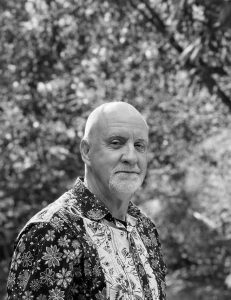
Tony Larkin FDA, BA (Hons), MBACP (Accredited) — Psychotherapist, Counsellor, and founder of Eleos Counselling, Billingshurst, West Sussex. With over 15,000 hours of clinical experience, Tony offers compassionate, professionally informed therapy for adults across West Sussex.
Tony Larkin FDA, BA (Hons), MBACP (Accredited) Psychotherapist and Counsellor | Founder of Eleos Counselling
Tony Larkin is an Accredited Member of the British Association for Counselling and Psychotherapy. Furthermore, accredited membership reflects not just qualification but a sustained commitment to professional standards, ongoing development, and ethical practice.
With over 15,000 hours of clinical experience, Tony has sat with many people through the grief process in all its forms. He brings a depth of understanding to bereavement work that only comes from sustained clinical engagement with loss across a wide range of presentations — sudden death, anticipated death, traumatic bereavement, delayed grief, complicated grief, and the grief that carries decades of unspoken relational complexity.
Tony’s approached to therapy
Tony’s approach is integrative, compassionate, and consistently trauma-informed. It draws on person-centred principles, compassion-focused therapy, and psychoeducation about the grief process — not as a rigid framework to be followed, but as a set of lenses through which the unique experience of each individual client can be better understood and more effectively supported.
Tony also has training in EMDR — Eye Movement Desensitisation and Reprocessing — which may be considered where grief is complicated by traumatic elements. This would always be discussed openly and introduced only where clinically appropriate.
Grief Counselling West Sussex — How Therapy Can Help
Grief counselling at Eleos Counselling is not about helping people get over their loss. The aim is not to produce acceptance on a schedule. Instead, therapy provides a space where the full complexity of a person’s grief can find expression, receive careful attention, and gradually become part of a life that continues to have meaning.
What Therapy Offers
Therapy for grief may help you to do the following.
Name and explore what is actually inside your grief — the regret, the guilt, the shame, the relief, the anger, the love, and everything else the wave is carrying. Find language for experiences that have felt impossible to articulate. Understand why your grief is moving in the way it is — and feel less alone with its irregularity. Explore the relationship with the person who has died in all its complexity — including the parts that were difficult, unresolved, or ambivalent. Begin to address the identity questions that loss raises — who you are now, and who you might become. Gradually build a life in which the person who has died is held with love rather than only with pain.
A Compassionate and Trauma-Informed Approach
At Eleos Counselling, the therapeutic approach draws on the compassion-focused work of Dr Paul Gilbert and the self-compassion framework of Dr Kristin Neff. Grief here never meets pressure to feel differently or move faster. A consistently trauma-informed perspective means that where grief involves traumatic elements — a sudden death, an accident, a suicide, or a death that followed a difficult relationship — those dimensions receive the care and clinical skill they require.
The Therapeutic Relationship
Above all, grief counselling at Eleos Counselling offers a consistent, unhurried, and genuinely human relationship in which it is safe to bring all of the grief — not just the parts that feel socially acceptable. The shameful parts. The parts that make no sense. The parts no one has ever heard spoken aloud before.
That space is, for many bereaved people, the most valuable thing therapy offers.
How Much Does Grief Counselling Cost?
The cost of therapy is something many people wonder about before making contact. At Eleos Counselling, transparency about this matters from the outset.
Fees and Flexibility
Grief counselling fees vary depending on the nature and complexity of the work and the length of the therapeutic journey. Some people find that a relatively focused period of work brings meaningful relief. Others find that grief — particularly grief that carries unresolved relational material — benefits from a longer and more exploratory process.
No fixed number of sessions applies. Grief does not work to a schedule and neither does the therapy that supports it. An initial conversation costs nothing and carries no obligation. It is simply an opportunity to talk about what is happening, ask any questions, and find out whether working with Eleos Counselling feels like the right fit.
If cost is a concern, please do raise it. It is a completely reasonable thing to discuss openly.
Online Bereavement Counselling
Grief does not confine itself to convenient times or places, and neither should access to support. Eleos Counselling offers online bereavement counselling via video call for people who find it difficult to travel, whose caring responsibilities make attending in person hard, or who simply feel more comfortable in the privacy of their own home.
Online sessions carry the same clinical depth and human quality as face-to-face work. Many people find that the familiarity of their own surroundings actually makes it easier to open up. Wherever you are in West Sussex — or beyond — support is available.
Frequently Asked Questions About Grief Counselling West Sussex
Is grief counselling only for people who have recently been bereaved?
No. People seek grief counselling at all stages — immediately following a loss, months later when the initial shock has lifted, or years after a bereavement that was never adequately processed. There is no wrong time to seek support for grief. The grief that arrives late is often the grief that most needs a therapeutic space.
What if my grief feels complicated or unusual?
Grief is almost always complicated to some degree. The idea that a simple or straightforward version of grief exists is itself one of the myths that causes people unnecessary suffering. Whatever is making your grief feel difficult — the nature of the relationship, the circumstances of the death, the presence of guilt or shame or relief — all of it belongs in the therapy room. None of it disqualifies you from support.
How is grief counselling different from talking to a friend?
A trusted friend offers something genuinely valuable — presence, love, and shared history. Therapy offers something different. It provides a space where the full complexity of grief can come out without placing any burden on the other person. Without the worry of being too much. Without the sense that the grief has gone on too long. A therapeutic relationship holds what most other relationships cannot.
Can grief counselling help with grief that is not about death?
Yes. Grief is not limited to bereavement. The end of a significant relationship, the loss of a career, a miscarriage, the loss of health, the loss of a life that was expected but did not materialise — all of these involve grief that is real and deserving of support. At Eleos Counselling we work with loss in its broadest sense.
Is online grief counselling available?
Yes. Eleos Counselling offers both face-to-face and online sessions, making therapeutic support accessible regardless of your location within or beyond West Sussex. Online sessions can be a particularly helpful option for people whose grief makes leaving the house difficult or for those with caring responsibilities that limit their availability.
How long does grief counselling take?
This depends entirely on the individual, the nature of the loss, and what the grief is carrying. Some people find that a handful of sessions brings meaningful relief and a clearer sense of how to carry the loss forward. Others find that longer-term work feels more appropriate — particularly where grief involves relational history, trauma, or identity questions. Tony will discuss this openly from the very first session and review it regularly throughout the work.
Crisis Support
If your grief has brought you to a place where you are struggling to keep yourself safe, please seek urgent support immediately.
- Call 999 if you are in immediate danger
- Contact NHS 111 for urgent mental health support
- Call Samaritans on 116 123 — available 24 hours a day, seven days a week
- Text SHOUT to 85258 for free confidential crisis text support
Take the First Step
Grief is not a problem to be solved. It is an experience to be accompanied.
Whatever your loss — however long ago it happened, however complicated or confusing it feels, however much you have been told you should be over it by now — you deserve a space in which it can finally be held with the care and attention it has always deserved.
At Eleos Counselling we offer compassionate, clinically informed grief counselling in West Sussex for adults who are ready to stop carrying their loss alone.
If you would like to find out more, or simply want to have an initial conversation, we would be glad to hear from you.
Eleos Counselling The Workshop, Little East Street, Billingshurst, West Sussex, RH14 9NP Phone: 01403 900079Mobile: 07854 602050 Email: info@eleoscounselling.co.uk Website: www.eleoscounselling.co.uk
Bereavement Support Organisations
Cruse Bereavement Support — the UK’s leading bereavement charity offering support, advice, and counselling to people affected by grief. www.cruse.org.uk
Mind — Bereavement — clear and accessible information on grief and how to find support.www.mind.org.uk/information-support/guides-to-support-and-services/bereavement
Winston’s Wish — specialist support for bereaved children and young people and the adults supporting them.www.winstonswish.org
Samaritans — available 24 hours a day for anyone in distress. www.samaritans.org — Phone: 116 123
Eleos Counselling is not affiliated with any external organisation listed above. These are provided for information and signposting purposes only.
References
Kübler-Ross, E. (1969). On death and dying. Macmillan.
Lundorff, M., Holmgren, H., Zachariae, R., Farver-Vestergaard, I., and O’Connor, M. (2017). Prevalence of prolonged grief disorder in adult bereavement. Journal of Affective Disorders, 212, 138–149.
Neff, K. (2011). Self-compassion: The proven power of being kind to yourself. William Morrow.
Shevlin, M., Redican, E., Karatzias, T., and Hyland, P. (2024). Testing the distinctiveness of prolonged grief disorder from posttraumatic stress disorder and depression in large bereaved community samples. Journal of Affective Disorders, 363, 214–220.
Stroebe, M., and Schut, H. (1999). The dual process model of coping with bereavement. Death Studies, 23(3), 197–224.
All external links are provided for informational purposes only. Eleos Counselling accepts no responsibility for the content of third-party websites.
Tony Larkin FDA,BA (Hons) MBACP (Acc)
Disclaimer: The organisations listed below are provided for information and additional support only. Eleos Counselling is not affiliated with, endorsed by, or responsible for the content, availability, or services offered by external organisations or third-party websites.
I’m Tony Larkin, a qualified psychotherapist and counsellor based in West Sussex. As the founder of Eleos Counselling, I provide a safe, supportive space for people facing challenges such as anxiety, addiction, perfectionism, trauma, and relationship difficulties. With years of experience, I combine professional knowledge with compassion, helping clients find new perspectives, rediscover confidence, and build healthier connections. My approach is rooted in empathy and the belief that lasting change comes through understanding, self-compassion, and support
Stay In Touch
Office
Eleos Counselling Ltd The Workshop, Little East Street, Billingshurst, West Sussex RH14 9NP
Phone Number
01403 900097