
Anger Management for Men West Sussex | Support Near Horsham RH12 & RH13






Anger Management for Men West Sussex Near Horsham RH12/RH13
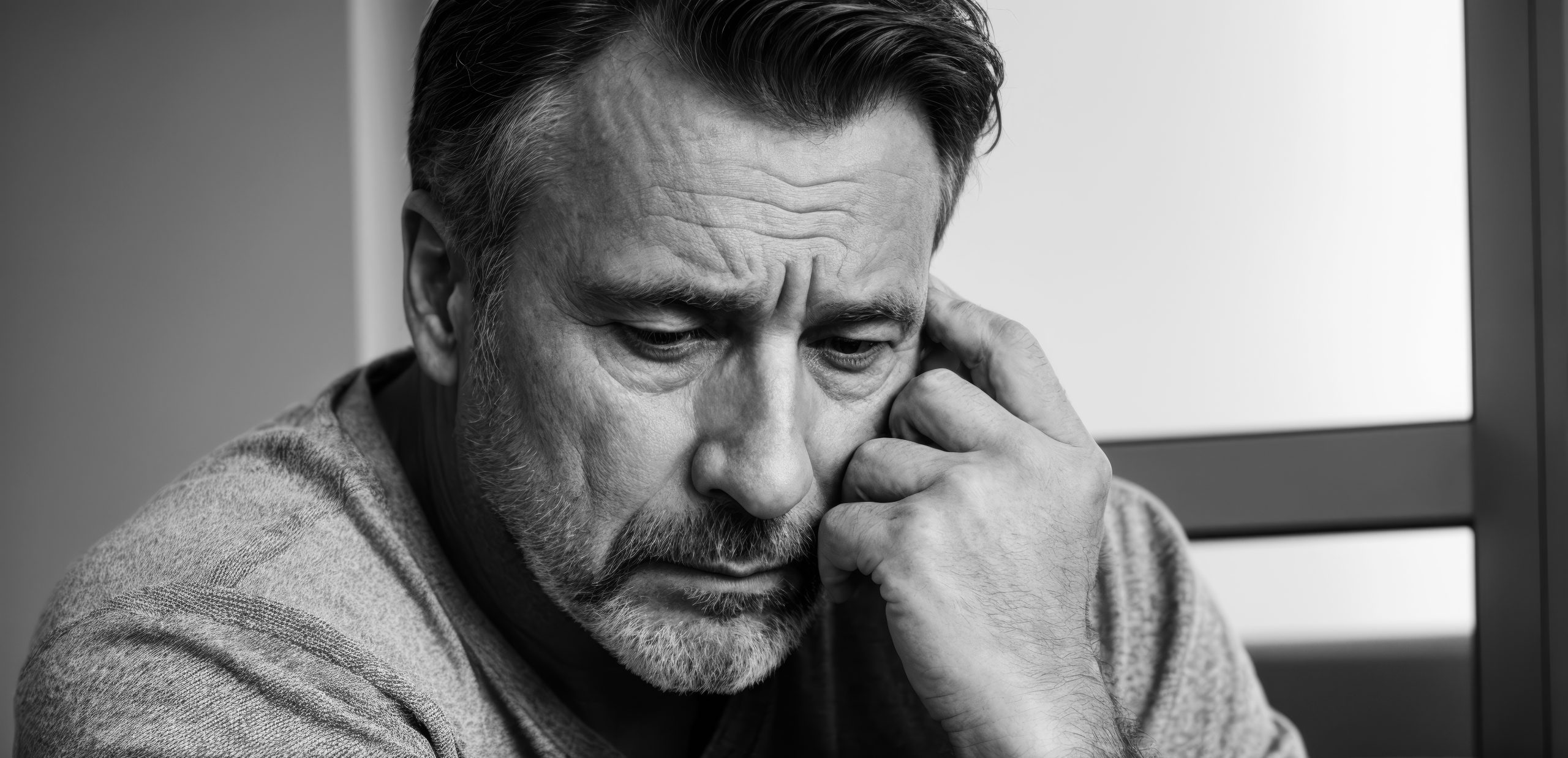
Anger Management for Men West Sussex is often not about controlling anger alone. Many of the men who contact Eleos Counselling near Horsham RH12 and RH13 do so when something important in their lives feels close to breaking down. A relationship may be under strain, arguments may be escalating, or a partner may have said that things cannot continue in the same way. In my experience working with men across West Sussex, anger rarely appears in isolation. More often it is connected to deeper emotional pressures such as shame, stress, loneliness, or earlier life experiences that have never been properly understood. Anger Management for Men West Sussex therefore focuses not only on behaviour, but on understanding the emotional and neurological patterns that sit beneath anger.
Why Many Men Near Horsham Seek Help Later Than They Should
Many men from Horsham RH12 and RH13 have spent years trying to manage their problems alone. In British culture, men are often encouraged to remain stoic and self-reliant. Phrases such as “man up” or “just get on with it” may seem harmless, yet they can have a lasting psychological impact. As a result, many men learn early in life that showing vulnerability is risky.
In practice, this often means men seek therapy only when circumstances feel urgent. A partner may be considering leaving the relationship. Communication at home may have become hostile or emotionally distant. Arguments may escalate quickly, leaving both people feeling hurt and exhausted. By the time therapy begins, men often arrive feeling ashamed, confused, or frightened that they are about to lose something important.
One of the first breakthroughs that many men experience in therapy is surprisingly simple: being listened to without judgement. For some clients this may be the first time they have spoken openly about their emotional experiences without being criticised, dismissed, or told to suppress what they feel. That experience alone can begin to reduce the intensity of anger.
The Hidden Problem of Male Loneliness
Another issue I increasingly see in men from Horsham and across West Sussex is male loneliness. Research in the UK has shown that many men have very few close friendships where emotional topics can be discussed openly. Men may have colleagues, acquaintances, or social contacts, yet still feel profoundly isolated when it comes to emotional support.
Loneliness can be particularly intense for men who experienced emotional distance in childhood. When significant caregivers were unavailable, inconsistent, or critical, a child may learn to rely only on himself. That survival strategy can continue into adulthood. On the surface a man may appear independent or self-sufficient, yet underneath there can be a deep sense of disconnection.
Anger can sometimes grow out of that loneliness. When someone already feels unseen or misunderstood, small conflicts can quickly trigger powerful reactions. In therapy we begin to explore how these experiences developed and how they continue to influence relationships today.

Understanding the Deeper Roots of Anger
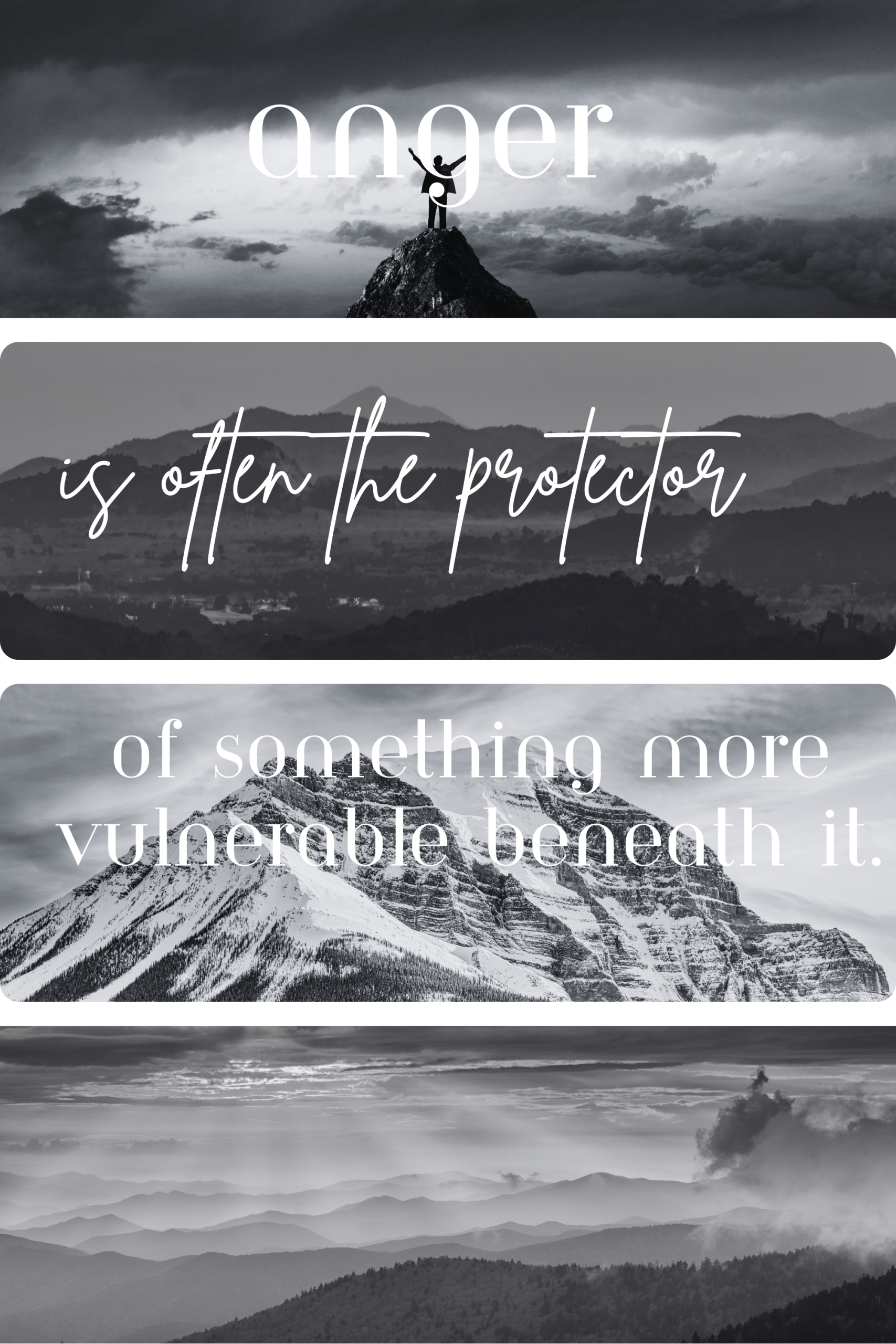
One of the most important ideas I help men understand is that anger is often a secondary emotion. Beneath anger there may be feelings such as shame, hurt, humiliation, fear, or rejection. These emotions can be extremely difficult to acknowledge, particularly for men who were taught that vulnerability is a weakness.
Shame in particular plays a major role in many cases of male anger. When a man feels criticised or exposed, the emotional experience may not simply be irritation. Instead it can trigger a powerful sense of not being good enough. The brain’s threat system then activates very quickly, producing anger as a defensive response.
Neuroscience helps explain why this happens. The emotional parts of the brain, particularly within the limbic system, respond rapidly to perceived threat. This reaction can occur before the thinking part of the brain, the prefrontal cortex, has time to evaluate the situation calmly. In practical terms, this means anger can appear suddenly even when a man does not intend to react that way.
Understanding this process can be a major revelation for many clients. When men realise that anger is connected to learned neurological patterns rather than personal failure, it becomes possible to begin changing those patterns.
Recognising the Cycle of Anger and Shame
In therapy we often examine what I call the cycle of anger and shame. A man may feel criticised or disrespected, which triggers a sense of emotional threat. That threat can quickly lead to anger and confrontation. After the conflict passes, feelings of regret or shame may appear. Unfortunately, that shame can then become the emotional trigger for the next episode of anger.
Recognising this cycle is one of the most powerful steps in anger work. When men begin to see the pattern clearly, they gain the opportunity to interrupt it. Small interventions can make a significant difference. One strategy I have used with clients for many years is the 20-minute rule. When an argument begins to escalate, stepping away for twenty minutes allows the nervous system to calm down and prevents the situation from intensifying further. Simple strategies like this can prevent a moment of frustration from turning into a damaging conflict.
How Therapy Helps Men Develop New Patterns
My therapeutic approach combines compassion-focused therapy with trauma-informed practice and insights from neuroscience. Compassion-focused work helps men reduce the harsh self-criticism that often sits beneath anger. Trauma-informed therapy allows us to explore earlier experiences that may still influence emotional responses today.
In addition, I often explain the science behind emotional reactions. Before becoming a therapist, I worked as an engineer, and that background still influences how I think about psychological processes. Many men appreciate understanding “what is happening under the hood” in the brain when anger appears. This knowledge can make the work feel practical rather than abstract.
As therapy progresses, men often notice gradual changes. They may begin to recognise triggers earlier. Arguments may become less explosive. Communication with partners or family members can improve. Perhaps most importantly, many men report feeling less isolated. Realising that their experiences make psychological sense can reduce the shame that often fuels anger.
Support for Men in Horsham RH12/RH13
Eleos Counselling provides Anger Management for Men West Sussex near Horsham RH12 and RH13. Many clients also travel from nearby areas including Southwater RH13, Warnham RH12, Broadbridge Heath RH12, Billingshurst RH14, and surrounding villages.
Therapy offers a confidential and respectful space where anger can be explored without judgement. Instead of simply suppressing anger, the aim is to understand its origins and develop healthier ways of responding to stress, conflict, and emotional pain.
Crisis Support
If you feel you may harm yourself or someone else, please seek immediate support. You can contact Samaritans on 116 123, speak with your GP, contact NHS urgent mental health services, or call 999 if there is immediate danger. Therapy is important for long-term change, but safety must always come first.
Seeking Support
If anger has begun to affect your relationships, work, or wellbeing, professional counselling can help you understand the deeper emotional patterns that may be driving these reactions.
At Eleos Counselling, anger management counselling for men in West Sussex focuses on understanding the roots of anger, developing emotional awareness, and building greater self-compassion.
Phone (landline): 01403 900079
Mobile: 07854 602050
Email: info@eleoscounselling.com
Address: Eleos Counselling, Little East Street, Billingshurst, RH14 9NP
Website: www.eleoscounselling.co.uk
Crisis Support
If you are feeling overwhelmed or concerned that you may harm yourself or someone else, it is important to seek immediate support. You can contact the Samaritans on 116 123, speak to your GP, or contact NHS urgent mental health services.
Professional support is available, and you do not have to face these difficulties alone.


Frequently Asked Questions – Counselling about Anger Management for men at Eleos Counselling, West Sussex
What is anger management counselling for men?
Anger management counselling helps men understand the emotional and psychological causes of their anger rather than simply trying to suppress it. In therapy, we explore how anger develops, what triggers it, and what emotions may sit beneath it, such as shame, frustration, rejection, or unresolved trauma. Many men discover that their anger has been building for years due to stress, relationship difficulties, or earlier life experiences. Counselling provides a structured and compassionate space where these issues can be understood and addressed.
Why do some men struggle with anger more than others?
In our clinical experience, anger in men is often linked to earlier experiences of emotional neglect, disrupted attachment, or environments where vulnerability was discouraged. Many men grow up learning that sadness, fear, or emotional pain should not be expressed. As a result, anger becomes the only socially acceptable way of expressing distress. When frustration, criticism, or perceived disrespect occurs, anger can emerge quickly because the underlying emotional pain has never been safely explored.
Is anger always a bad thing?
No. Anger is a normal human emotion and can sometimes signal that something important needs attention. Problems arise when anger becomes overwhelming, unpredictable, or damaging to relationships and work. When anger begins to affect family life, friendships, or professional responsibilities, it may be helpful to explore what is driving those reactions. Counselling helps men recognise anger as a signal rather than something that defines who they are.
What emotions are usually beneath anger?
In many cases, anger sits on top of deeper emotions such as shame, hurt, loneliness, fear of rejection, or feeling disrespected. Shame is particularly common among men who struggle with anger. When a man feels criticised or exposed, shame can quickly transform into anger as a way of protecting against vulnerability. Therapy helps uncover these underlying emotions so they can be understood rather than acted out through anger.
Can alcohol or drugs make anger worse?
Yes. Alcohol and drugs can significantly increase the likelihood of angry outbursts. Substances often reduce inhibition and weaken the brain’s ability to regulate emotional reactions. When underlying frustrations or unresolved emotional pain are present, alcohol can intensify these feelings and make it harder to respond calmly in difficult situations. For some men, addressing patterns of substance use becomes an important part of anger management work.
How can counselling help with anger problems?
Counselling helps men understand the roots of their anger and develop healthier ways of responding to difficult emotions. One of the most important parts of therapy is creating a non-judgemental space where clients can talk openly about their experiences without fear of shame or criticism. Through reflection, emotional awareness, and compassionate exploration of past experiences, many men begin to recognise their triggers and respond with greater self-control. Over time this can lead to improved relationships, reduced conflict, and a stronger sense of emotional stability.
Additional Support and Community Resources
Men who struggle with anger may also benefit from additional community support. The organisations below provide information, peer support, and specialist services related to men’s mental health, addiction, and emotional wellbeing.
Men’s Mental Health and Peer Support
ANDYSMANCLUB
Peer-to-peer support groups for men across the UK. Groups provide a safe space for men to talk openly about mental health and emotional difficulties. (ANDYSMANCLUB)
https://andysmanclub.co.uk/
UK Men’s Sheds Association
Community workshops where men can meet, build projects, and connect socially. Research suggests these groups help reduce loneliness and improve wellbeing among men. (UKMSA Men’s Sheds Association)
https://menssheds.org.uk/
Addiction and Substance Misuse Support
Alcoholics Anonymous (AA)
Peer support meetings for individuals who want to stop drinking. Meetings are available across the UK. (Mind)
https://www.alcoholics-anonymous.org.uk/
Turning Point
Provides support for individuals experiencing drug and alcohol problems, mental health difficulties, and other complex needs. (Wikipedia)
https://www.turning-point.co.uk/
Gambling Addiction Support
GamCare
Provides confidential support, advice, and counselling for people affected by gambling harm, including a national helpline. (Wikipedia)
https://www.gamcare.org.uk/
General Mental Health Support
Mental Health UK
Provides mental health advice, support services, and information on wellbeing, financial stress, and emotional resilience. (Mental Health UK)
https://mentalhealth-uk.org/
Immediate Emotional Support
Samaritans
24-hour confidential support for anyone experiencing emotional distress.
Phone: 116 123
https://www.samaritans.org/
Disclaimer
The organisations listed above are provided for information and signposting purposes only. Eleos Counselling is not affiliated with, nor responsible for, the content, availability, or services offered by external organisations. Inclusion on this page does not constitute an endorsement. If you are in immediate danger or crisis, please contact emergency services, your GP, or NHS urgent mental health services.
Begin Your Journey Toward Balance
To learn more or to book your first session, please contact us today.
We’re here to help you move beyond survival and toward a life defined by calm, clarity, and resilience.
Eleos Counselling, West Sussex
Phone (landline): 01403 900079
Mobile: 07854 602050
Email: info@eleoscounselling.com
Address: Eleos Counselling, Little East Street, Billingshurst, RH14 9NP
Website: www.eleoscounselling.co.uk
Tony Larkin FDA,BA (Hons) MBACP (Acc)
I’m Tony Larkin, a qualified psychotherapist and counsellor based in West Sussex. As the founder of Eleos Counselling, I provide a safe, supportive space for people facing challenges such as anxiety, addiction, perfectionism, trauma, and relationship difficulties. With years of experience, I combine professional knowledge with compassion, helping clients find new perspectives, rediscover confidence, and build healthier connections. My approach is rooted in empathy and the belief that lasting change comes through understanding, self-compassion, and support
Stay In Touch
Office
Eleos Counselling Ltd The Workshop, Little East Street, Billingshurst, West Sussex RH14 9NP
Phone Number
(01403)900097