
Anger Management for Men West Sussex | Support Near Cowfold RH13






Anger Management for Men West Sussex | Cowfold RH13
Anger Management for Men West Sussex in Cowfold RH13
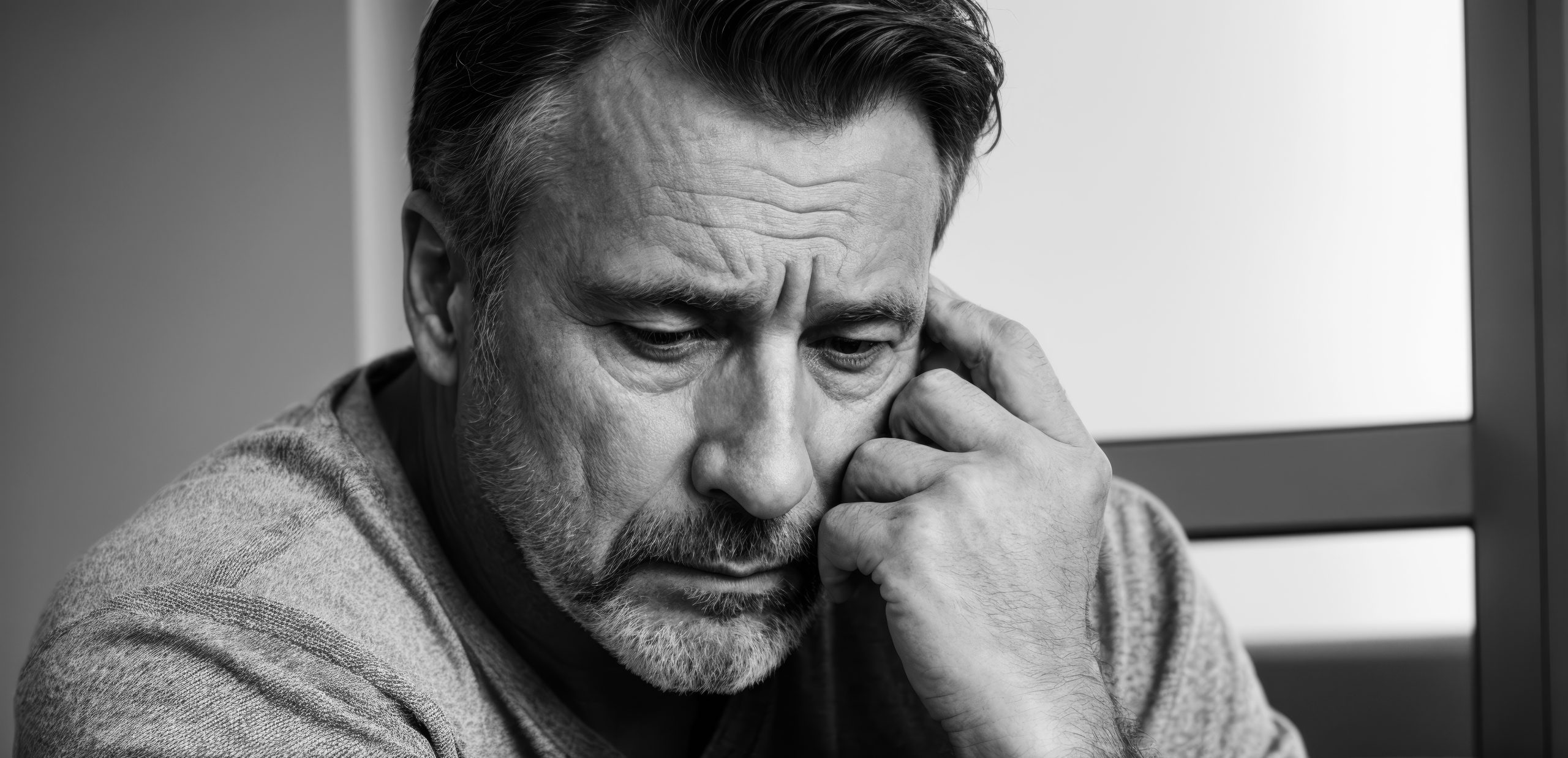
For many men, anger is not always loud or explosive. Instead, it can build quietly over time as resentment, frustration, or a sense of being unheard. In anger management for men West Sussex, one of the most important patterns to understand is how unspoken feelings can gradually turn into anger.
Men in Cowfold RH13 often describe situations where they “put up with things” for long periods. They may avoid conflict, stay silent in relationships, or suppress how they truly feel. However, this does not remove the emotion. Instead, it stores it.
Over time, this internal pressure builds. Eventually, it may come out as anger that feels disproportionate or unexpected. Therefore, the work in therapy focuses not only on anger itself, but also on what has been left unexpressed.
The Link Between Resentment and Anger
Resentment often develops when needs, expectations, or boundaries are not clearly communicated. Although the initial feeling may be mild, it can grow stronger if it is not addressed.
For example:
• Feeling unappreciated in a relationship
• Taking on more responsibility than feels fair
• Avoiding difficult conversations
• Feeling overlooked or dismissed
At first, these experiences may be tolerated. However, as they continue, they can create an underlying sense of frustration.
From a psychological perspective, resentment is often a signal that something important is not being expressed. When this signal is ignored, it can eventually convert into anger.
Understanding this connection is a key step in reducing emotional build-up.

Why Men Often Struggle to Express Emotion
Many men have learned to manage emotions by containing them. Messages such as “don’t complain” or “just deal with it” can shape how feelings are handled.
As a result, expressing frustration or vulnerability may feel uncomfortable or unfamiliar. Instead, emotions are often held internally.
However, the nervous system does not simply forget these feelings. They remain active beneath the surface. Over time, this can increase tension and reduce emotional flexibility.
In therapy, developing the ability to express emotions safely is an important part of the process. When feelings are acknowledged earlier, the intensity of anger often decreases.
The Neuroscience of Suppressed Emotion
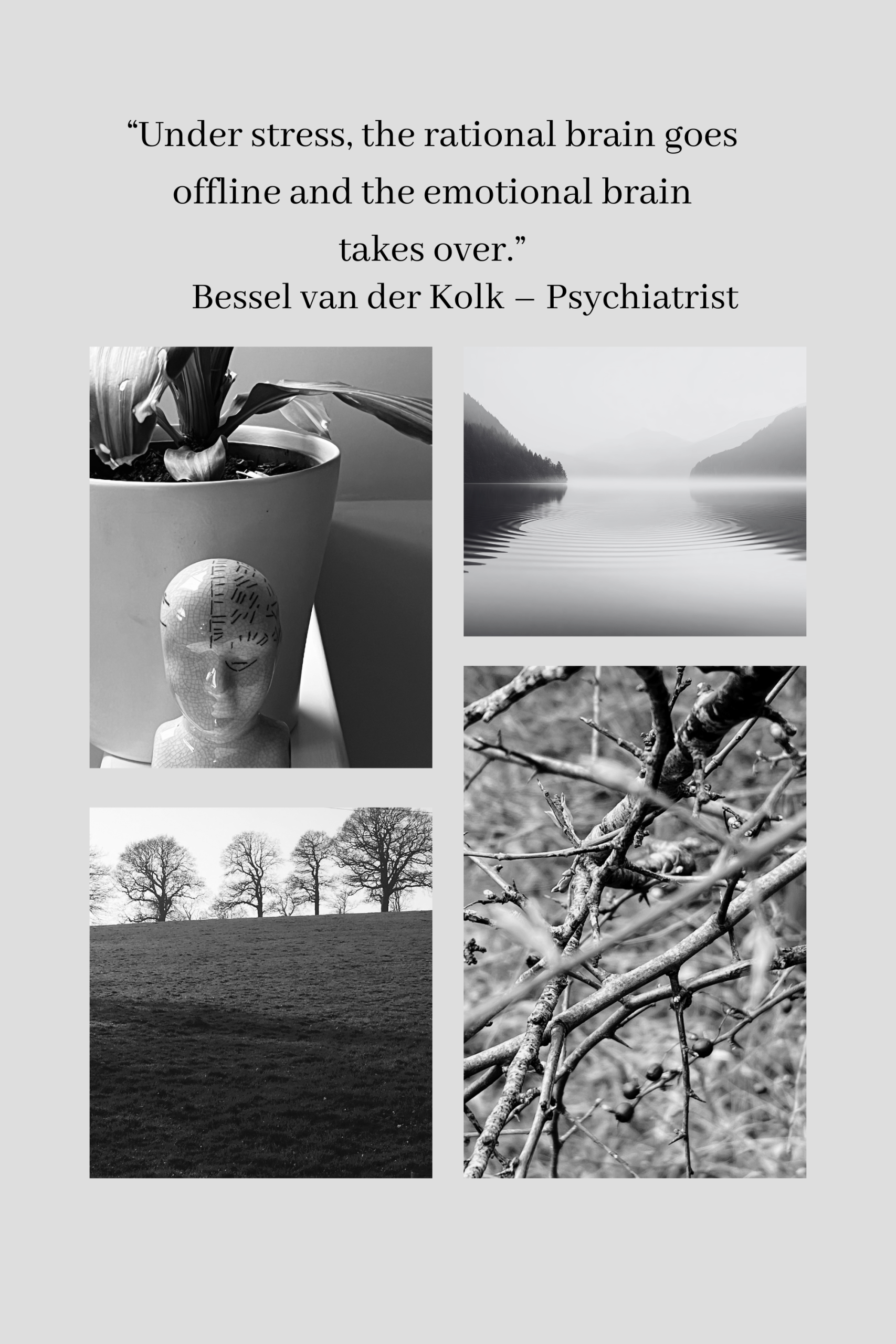
From a neuroscience perspective, suppressing emotion does not remove it. Instead, it keeps the brain’s threat system active.
The amygdala continues to monitor for potential stress, while the body remains in a heightened state of readiness. At the same time, the prefrontal cortex may struggle to regulate these responses when pressure builds.
This can lead to a sudden release of emotion. Anger may appear quickly, even if the original trigger seems small.
Understanding this process helps men see that their reactions are not random. They are linked to how emotions have been managed over time.
Importantly, this also means that change is possible.
How Resentment Affects Relationships
Unspoken frustration can have a significant impact on relationships. When feelings are not expressed, communication can become unclear or indirect.
Partners may sense tension without understanding its cause. This can lead to confusion or repeated misunderstandings.
Eventually, when anger is expressed, it may feel unexpected or intense. This can create a cycle of conflict followed by withdrawal.
Over time, this pattern can reduce trust and emotional connection. Many men seek support when they recognise these difficulties and want to improve their relationships.
A Compassion-Focused Approach
At Eleos Counselling, anger management for men West Sussex is approached through a compassion-focused and trauma-informed model. This means understanding anger as part of a wider emotional system, rather than treating it in isolation.
The work of Dr Paul Gilbert highlights how self-criticism can increase emotional distress. Many men judge themselves harshly for feeling angry, which can add further pressure.
Developing self-compassion helps reduce this cycle. It allows men to recognise their experiences without immediately criticising themselves.
In addition, approaches such as Compassionate Inquiry, developed by Gabor Maté, support deeper exploration of emotional patterns. This helps men understand what lies beneath anger and begin to express it more constructively.
Practical Strategies for Managing Anger
Alongside understanding, practical tools are essential. Learning to express emotions earlier can significantly reduce the build-up that leads to anger.
Helpful strategies include:
• Identifying feelings before they escalate
• Communicating needs clearly and calmly
• Setting boundaries where necessary
• Taking space when emotions feel intense
The 20-minute rule is also effective. Stepping away from a situation allows the nervous system to settle, making it easier to respond thoughtfully.
Over time, these approaches support the development of new neural pathways. As a result, emotional responses become more balanced and less reactive.
Anger Management Support Near Cowfold RH13
Eleos Counselling offers anger management for men West Sussex to clients in Cowfold RH13 and nearby areas including Horsham RH12, Southwater RH13, Billingshurst RH14, and Henfield BN5.
Seeking support is an important step toward change. It reflects a willingness to understand emotional patterns and develop healthier ways of responding.
Through a combination of neuroscience-informed insight, compassion-focused therapy, and practical strategies, men can build stronger relationships, improve emotional awareness, and regain a sense of control.
Seeking Support
If anger has begun to affect your relationships, work, or wellbeing, professional counselling can help you understand the deeper emotional patterns that may be driving these reactions.
At Eleos Counselling, anger management counselling for men in West Sussex focuses on understanding the roots of anger, developing emotional awareness, and building greater self-compassion.
Phone (landline): 01403 900079
Mobile: 07854 602050
Email: info@eleoscounselling.com
Address: Eleos Counselling, Little East Street, Billingshurst, RH14 9NP
Website: www.eleoscounselling.co.uk
Crisis Support
If you are feeling overwhelmed or concerned that you may harm yourself or someone else, it is important to seek immediate support. You can contact the Samaritans on 116 123, speak to your GP, or contact NHS urgent mental health services.
Professional support is available, and you do not have to face these difficulties alone.


Frequently Asked Questions – Counselling about Anger Management for men at Eleos Counselling, West Sussex
What is anger management counselling for men?
Anger management counselling helps men understand the emotional and psychological causes of their anger rather than simply trying to suppress it. In therapy, we explore how anger develops, what triggers it, and what emotions may sit beneath it, such as shame, frustration, rejection, or unresolved trauma. Many men discover that their anger has been building for years due to stress, relationship difficulties, or earlier life experiences. Counselling provides a structured and compassionate space where these issues can be understood and addressed.
Why do some men struggle with anger more than others?
In our clinical experience, anger in men is often linked to earlier experiences of emotional neglect, disrupted attachment, or environments where vulnerability was discouraged. Many men grow up learning that sadness, fear, or emotional pain should not be expressed. As a result, anger becomes the only socially acceptable way of expressing distress. When frustration, criticism, or perceived disrespect occurs, anger can emerge quickly because the underlying emotional pain has never been safely explored.
Is anger always a bad thing?
No. Anger is a normal human emotion and can sometimes signal that something important needs attention. Problems arise when anger becomes overwhelming, unpredictable, or damaging to relationships and work. When anger begins to affect family life, friendships, or professional responsibilities, it may be helpful to explore what is driving those reactions. Counselling helps men recognise anger as a signal rather than something that defines who they are.
What emotions are usually beneath anger?
In many cases, anger sits on top of deeper emotions such as shame, hurt, loneliness, fear of rejection, or feeling disrespected. Shame is particularly common among men who struggle with anger. When a man feels criticised or exposed, shame can quickly transform into anger as a way of protecting against vulnerability. Therapy helps uncover these underlying emotions so they can be understood rather than acted out through anger.
Can alcohol or drugs make anger worse?
Yes. Alcohol and drugs can significantly increase the likelihood of angry outbursts. Substances often reduce inhibition and weaken the brain’s ability to regulate emotional reactions. When underlying frustrations or unresolved emotional pain are present, alcohol can intensify these feelings and make it harder to respond calmly in difficult situations. For some men, addressing patterns of substance use becomes an important part of anger management work.
How can counselling help with anger problems?
Counselling helps men understand the roots of their anger and develop healthier ways of responding to difficult emotions. One of the most important parts of therapy is creating a non-judgemental space where clients can talk openly about their experiences without fear of shame or criticism. Through reflection, emotional awareness, and compassionate exploration of past experiences, many men begin to recognise their triggers and respond with greater self-control. Over time this can lead to improved relationships, reduced conflict, and a stronger sense of emotional stability.
Additional Support and Community Resources
Men who struggle with anger may also benefit from additional community support. The organisations below provide information, peer support, and specialist services related to men’s mental health, addiction, and emotional wellbeing.
Men’s Mental Health and Peer Support
ANDYSMANCLUB
Peer-to-peer support groups for men across the UK. Groups provide a safe space for men to talk openly about mental health and emotional difficulties. (ANDYSMANCLUB)
https://andysmanclub.co.uk/
UK Men’s Sheds Association
Community workshops where men can meet, build projects, and connect socially. Research suggests these groups help reduce loneliness and improve wellbeing among men. (UKMSA Men’s Sheds Association)
https://menssheds.org.uk/
Addiction and Substance Misuse Support
Alcoholics Anonymous (AA)
Peer support meetings for individuals who want to stop drinking. Meetings are available across the UK. (Mind)
https://www.alcoholics-anonymous.org.uk/
Turning Point
Provides support for individuals experiencing drug and alcohol problems, mental health difficulties, and other complex needs. (Wikipedia)
https://www.turning-point.co.uk/
Gambling Addiction Support
GamCare
Provides confidential support, advice, and counselling for people affected by gambling harm, including a national helpline. (Wikipedia)
https://www.gamcare.org.uk/
General Mental Health Support
Mental Health UK
Provides mental health advice, support services, and information on wellbeing, financial stress, and emotional resilience. (Mental Health UK)
https://mentalhealth-uk.org/
Immediate Emotional Support
Samaritans
24-hour confidential support for anyone experiencing emotional distress.
Phone: 116 123
https://www.samaritans.org/
Disclaimer
The organisations listed above are provided for information and signposting purposes only. Eleos Counselling is not affiliated with, nor responsible for, the content, availability, or services offered by external organisations. Inclusion on this page does not constitute an endorsement. If you are in immediate danger or crisis, please contact emergency services, your GP, or NHS urgent mental health services.
Begin Your Journey Toward Balance
To learn more or to book your first session, please contact us today.
We’re here to help you move beyond survival and toward a life defined by calm, clarity, and resilience.
Eleos Counselling, West Sussex
Phone (landline): 01403 900079
Mobile: 07854 602050
Email: info@eleoscounselling.com
Address: Eleos Counselling, Little East Street, Billingshurst, RH14 9NP
Website: www.eleoscounselling.co.uk
Tony Larkin FDA,BA (Hons) MBACP (Acc)
I’m Tony Larkin, a qualified psychotherapist and counsellor based in West Sussex. As the founder of Eleos Counselling, I provide a safe, supportive space for people facing challenges such as anxiety, addiction, perfectionism, trauma, and relationship difficulties. With years of experience, I combine professional knowledge with compassion, helping clients find new perspectives, rediscover confidence, and build healthier connections. My approach is rooted in empathy and the belief that lasting change comes through understanding, self-compassion, and support
Stay In Touch
Office
Eleos Counselling Ltd The Workshop, Little East Street, Billingshurst, West Sussex RH14 9NP
Phone Number
(01403)900097