
Anger Management Counselling for Men in West Sussex | Eleos Counselling West Sussex

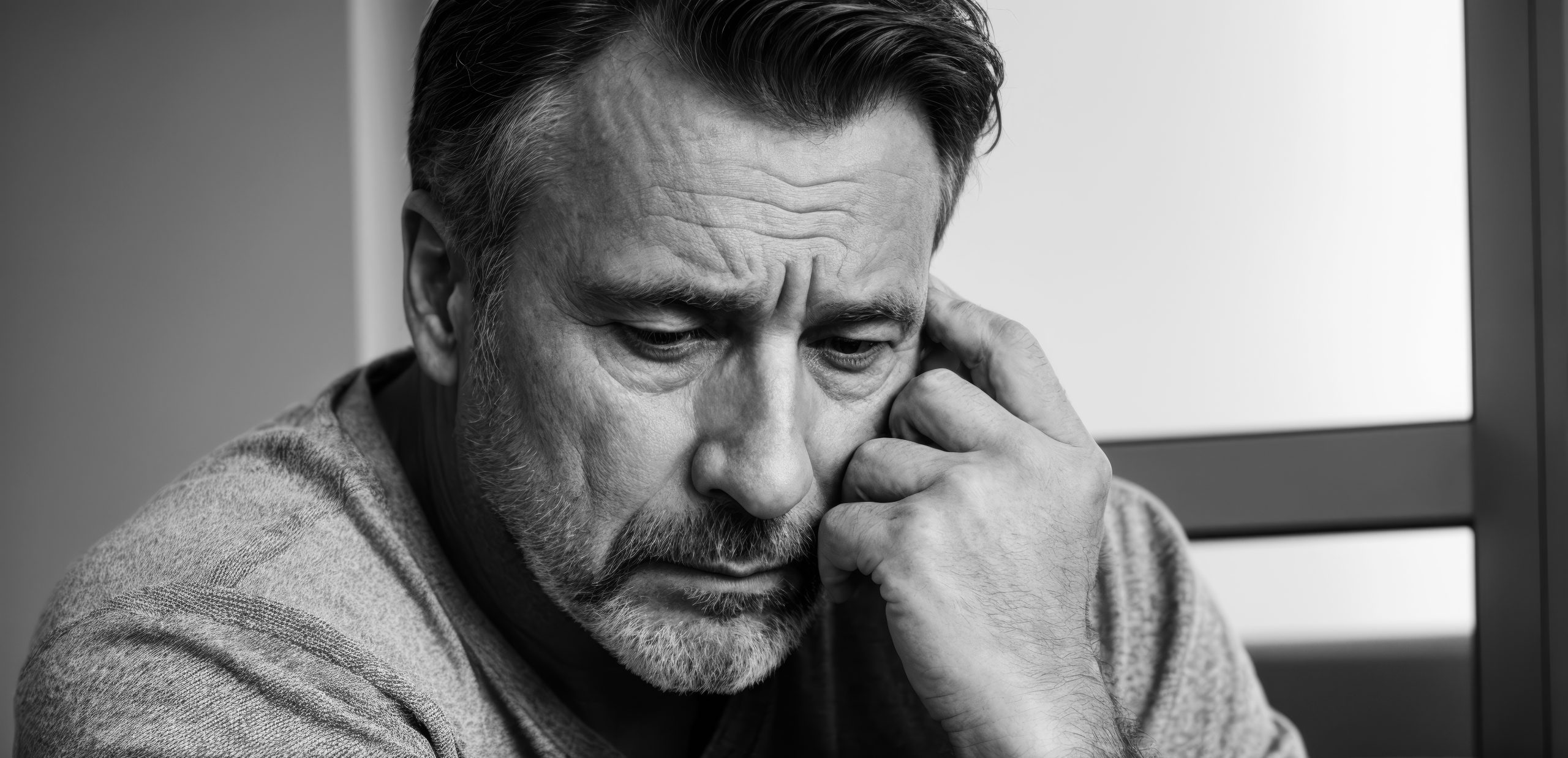





Anger Management Counselling for Men in West Sussex
Anger is a powerful human emotion. However, when anger becomes difficult to control it can damage relationships, careers, and a man’s sense of self. At Eleos Counselling, anger management counselling for men in West Sussex focuses on helping men understand the deeper emotional roots of anger rather than simply suppressing it.
Many men seek therapy when anger begins to affect their family life, relationships, or work. Others come to counselling because they feel ashamed of their reactions and want to understand why their anger feels so intense. In clinical practice, anger rarely appears in isolation. Instead, it often reflects deeper emotional experiences such as shame, frustration, unresolved trauma, or long-standing feelings of rejection.
Eleos Counselling provides professional anger management counselling in West Sussex for men who want to understand their anger, gain greater emotional control, and develop healthier ways of responding to conflict.
When to Seek Professional Help for Anger
Anger is a natural human emotion. However, when anger begins to affect relationships, work, or personal wellbeing, it may be helpful to seek professional support. Many men come to counselling after recognising that their anger is causing difficulties that they no longer wish to ignore.
You may benefit from anger management counselling if you notice some of the following patterns:
• Arguments escalate quickly and become difficult to control
• You feel intense anger when criticised or challenged
• Relationships are becoming strained because of anger
• You regret things you say or do when angry
• Alcohol or drugs make anger worse
• You feel ashamed or guilty after angry outbursts
• Anger has affected your work, family life, or friendships
• You feel as if anger builds up inside you until it explodes
Many men describe feeling that anger appears suddenly. In reality, anger often builds gradually over time due to stress, unresolved emotional pain, or long-standing frustrations. Counselling provides a structured and confidential space where these experiences can be explored safely and without judgement.
At Eleos Counselling, anger management counselling for men in West Sussex focuses on understanding the deeper emotional roots of anger while helping clients develop healthier ways of responding to difficult emotions and conflict.
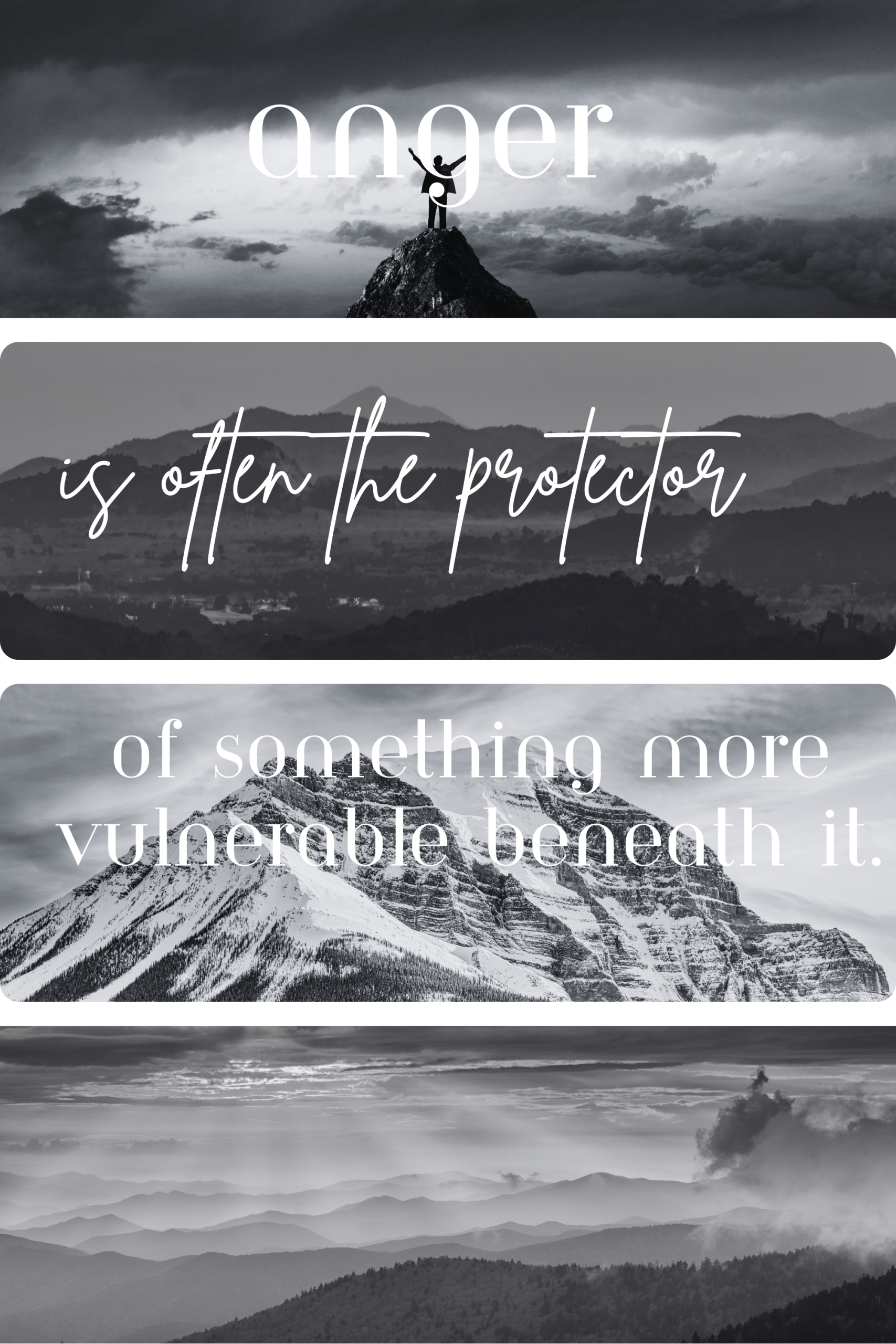
Understanding Anger in Men
Anger itself is not the problem. In fact, anger is a normal emotional response to frustration, threat, or injustice. Problems arise when anger becomes overwhelming, unpredictable, or destructive.
In clinical practice, men who struggle with anger often describe feeling frustrated with aspects of their lives. Dissatisfaction with work, relationship conflict, financial pressure, and the complexities of blended families can all create emotional strain. Over time, these pressures may build until anger begins to erupt in ways that feel difficult to control.
A common pattern is that anger appears suddenly, yet the emotional tension behind it has often been building for years. Many men carry a deep sense of resentment about lost opportunities, unmet needs, or feeling unheard. When these emotions accumulate without being expressed or understood, anger can become the outlet through which those feelings emerge.
Cultural expectations can also influence how men express emotion. In many environments, particularly within traditional ideas of masculinity, men are discouraged from showing vulnerability. Expressions of sadness, fear, or emotional pain may be viewed as weakness. As a result, anger may become the only socially acceptable way for some men to communicate distress.

Common Patterns in Men Who Struggle With Anger
Over many years of clinical practice, several recurring patterns often appear among men seeking anger management counselling.
Many men report feeling deeply frustrated with their circumstances. They may feel trapped in careers that lack meaning or experience ongoing stress in relationships that feel difficult to resolve. These frustrations can gradually erode emotional resilience.
Relationship dynamics also frequently play a role. Divorce, co-parenting arrangements, and blended family situations can create ongoing tension. Disputes with former partners or feelings of being disrespected may trigger intense emotional reactions.
Substance use can also amplify anger responses. Alcohol and drugs often lower emotional inhibition and intensify underlying frustrations. When intoxicated, men may react more aggressively to perceived criticism or disrespect.
Another important pattern involves the perception of disrespect. Many men describe feeling triggered by situations where they believe they have been belittled, challenged, or undermined. Even relatively minor comments may activate a strong emotional response when they connect with deeper feelings of inadequacy or shame.
In some cases, anger itself becomes psychologically reinforcing. During a rage episode, individuals may briefly feel powerful or heard. Over time, this sense of temporary empowerment can reinforce the behaviour, making anger more likely to appear again in moments of stress.
Childhood Experiences and Attachment
A significant number of men who struggle with anger describe difficult childhood experiences, particularly involving disrupted relationships with father figures.
One of the most common patterns involves the absence of a stable father during childhood. When parents separate or family relationships break down, the primary male role model may disappear from the household. For some boys, this absence leaves a gap in learning how adult men manage emotions, relationships, and conflict.
In other situations, the father may be replaced by a stepfather or another partner of the mother. These relationships can sometimes become strained or conflictual, particularly if the child struggles to accept the new parental figure.
Another painful pattern occurs when a child forms a strong attachment to a father figure or stepfather, only for that relationship to end abruptly due to separation, divorce, or conflict between adults. These losses can create lasting feelings of abandonment and confusion.
Such experiences often leave boys feeling emotionally unsafe or rejected. Although these feelings may not always be consciously recognised in adulthood, they can influence how men respond to perceived criticism or rejection later in life.
How Anger Affects the Brain
Anger is not simply a personality trait or a lack of self-control. It is closely connected to how the brain responds to perceived threat, stress, or emotional pain. Modern neuroscience shows that anger reactions are often driven by the brain’s survival systems rather than conscious decision-making.
At the centre of this process is the limbic system, a group of brain structures responsible for emotion, memory, and survival responses. Within the limbic system, the amygdala plays a particularly important role. The amygdala acts as a threat detector. When it senses danger—whether physical or emotional—it can activate a rapid defensive response in the body.
For many men who struggle with anger, the brain interprets situations such as criticism, rejection, humiliation, or perceived disrespect as threats. When this happens, the limbic system may react before the rational part of the brain has time to evaluate the situation calmly. This is sometimes referred to as an “amygdala hijack,” where emotional reactions override thoughtful responses.
Trauma research has shown that earlier life experiences can strongly influence how sensitive this threat system becomes. Psychiatrist and trauma researcher Bessel van der Kolk has written extensively about how traumatic or neglectful experiences in childhood can shape the brain’s emotional regulation systems. When early relationships involve fear, criticism, or emotional neglect, the nervous system may become more alert to signs of threat later in life. In adulthood this heightened sensitivity can contribute to intense emotional reactions, including anger.
Another important perspective comes from the work of neuroscientist Stephen Porges and his development of polyvagal theory. This theory explains how the nervous system constantly scans the environment for signals of safety or danger. According to polyvagal theory, when the brain perceives threat, the body may shift into defensive states such as fight, flight, or shutdown.
Anger often corresponds with the fight response, where the nervous system prepares the body to confront a perceived threat. Heart rate increases, muscles tense, and the body becomes ready for confrontation. In many situations this reaction is automatic and happens before a person has consciously thought about what is happening.
Therapy can help individuals recognise when these automatic responses are occurring. By understanding how the nervous system reacts to perceived threat, many men begin to realise that their anger is not simply a failure of character but part of a deeper physiological response that developed over time.
Through counselling, individuals can gradually learn to recognise these patterns, slow down emotional reactions, and develop greater awareness of the triggers that activate the brain’s threat systems. Over time this can help restore balance between emotional responses and reflective thinking, allowing men to respond to difficult situations with greater calm and control.
Understanding the neuroscience of anger can therefore be an important step in helping men move beyond cycles of anger, shame, and regret toward healthier emotional regulation and stronger relationships.
The Role of Shame in Male Anger
In many cases, the emotion underlying anger is not aggression but shame.
Shame is the painful feeling that one is fundamentally inadequate or flawed. When individuals feel criticised, humiliated, or exposed, shame can become overwhelming. Anger often emerges as a defence against this feeling.
For many men, anger protects them from the vulnerability associated with shame. Rather than experiencing the pain of feeling rejected or not good enough, the emotion quickly transforms into anger directed outward.
After the angry episode passes, many men report a powerful sense of remorse. They often describe intense self-criticism and negative self-talk, telling themselves that they are failures or incapable of controlling their behaviour.
Psychologist Kristin Neff has written extensively about how self-compassion can help individuals move away from cycles of shame and self-criticism. Developing self-compassion allows men to recognise that emotional struggles are part of being human rather than evidence of personal failure.
At Eleos Counselling, this compassionate approach forms an important part of anger management counselling for men.
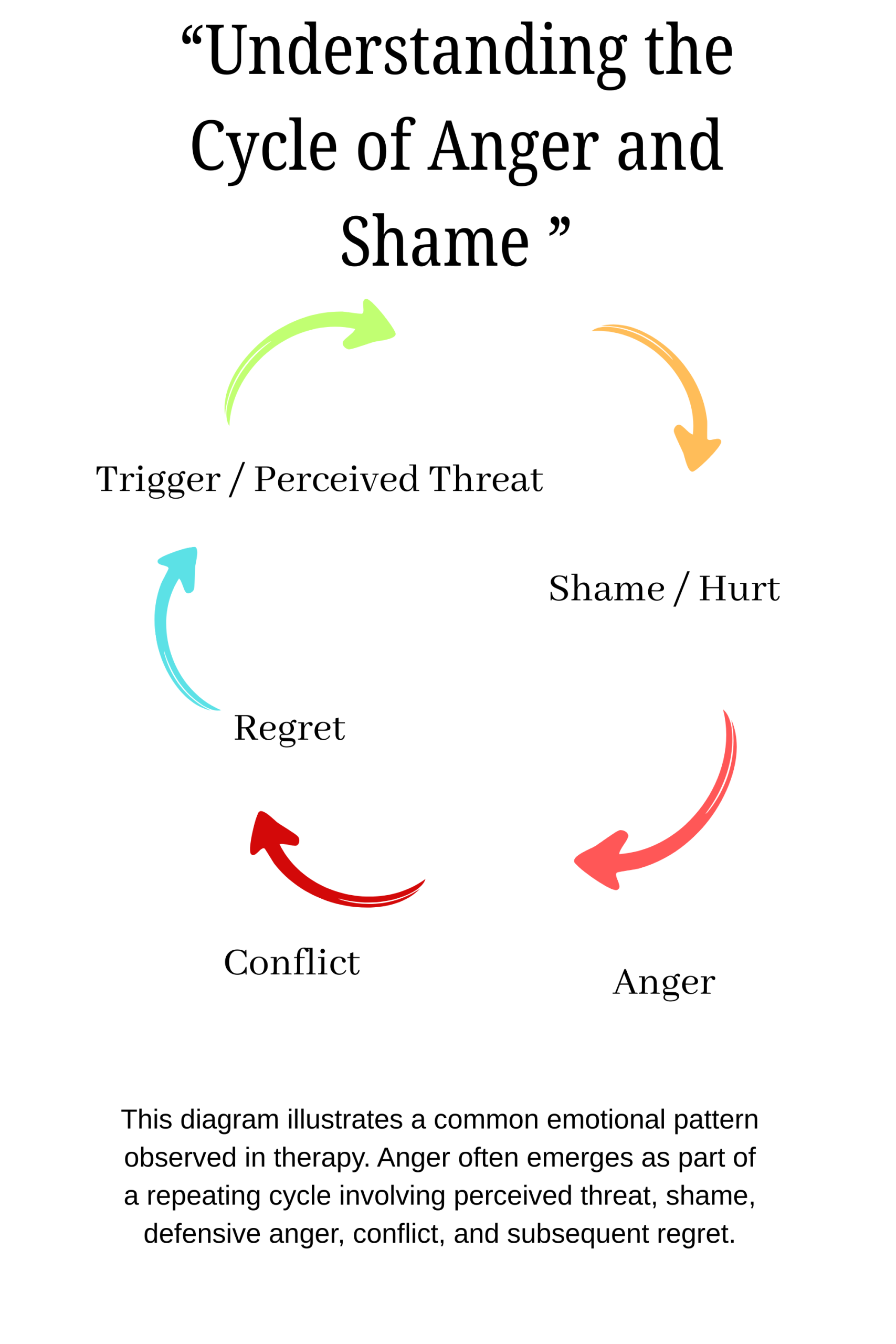
The Cycle of Anger and Shame
Many men describe experiencing anger not as a single isolated event but as part of a repeating emotional cycle. In clinical practice, anger often begins with a trigger that activates feelings of criticism, rejection, or perceived disrespect. These moments can awaken a deeper emotional response—often a sense of shame or inadequacy that may have developed through earlier life experiences, relationship difficulties, or long-standing patterns of self-criticism. When the brain interprets these experiences as threatening, the nervous system may shift quickly into a defensive state, activating the limbic system and the sympathetic “fight” response described in polyvagal theory.
Anger can therefore be understood as the body’s attempt to protect itself from emotional pain. However, once the anger has been expressed, many men report experiencing regret, guilt, or harsh self-judgement. This renewed sense of shame can then recreate the emotional conditions that trigger the next angry reaction, allowing the cycle to repeat. In therapy, one of the key aims is to help men recognise this pattern with greater clarity and compassion. By understanding how shame, threat responses, and anger interact within the nervous system, individuals can begin to interrupt the cycle and develop more balanced ways of responding to difficult emotional experiences.
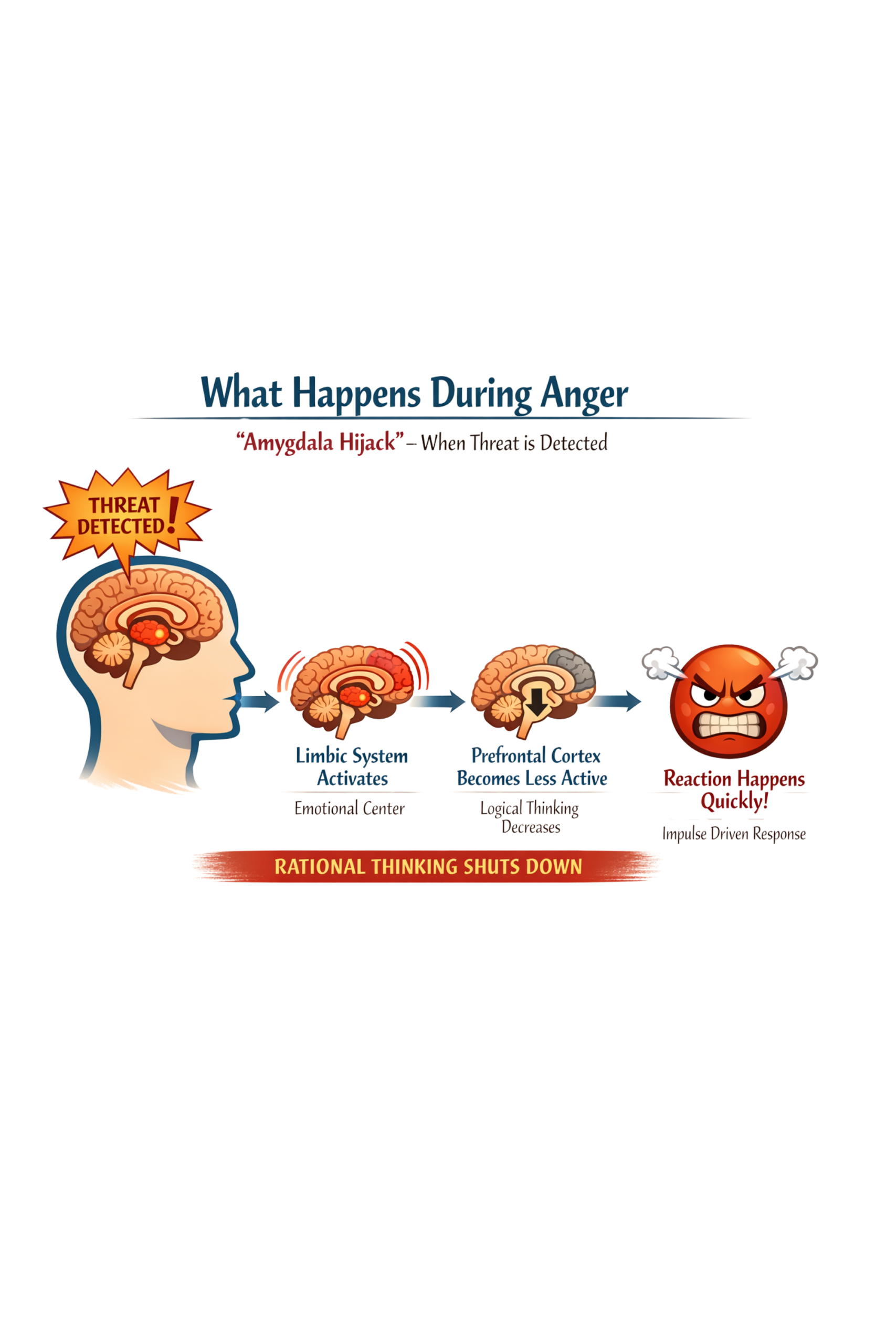
What Happens in the Brain During Anger: The Amygdala Hijack
When anger rises suddenly, something important is happening inside the brain. Psychologists sometimes refer to this process as an “amygdala hijack.”
The amygdala is part of the limbic system, the area of the brain responsible for detecting threats and triggering emotional responses. When the brain perceives danger — whether real or emotional — the amygdala reacts very quickly. This activates the sympathetic nervous system, preparing the body for a fight-or-flight response.
During this process, activity in the prefrontal cortex — the part of the brain responsible for rational thinking, judgement, and impulse control — becomes reduced. As a result, logical thinking temporarily decreases and reactions can become impulsive.
This is why arguments can escalate so quickly. A person may react before they have had time to think clearly. Understanding this biological process is often a powerful moment for many men in therapy, because it helps explain why anger can feel overwhelming and difficult to control.
The encouraging news is that with the right support, people can learn to regulate these responses and develop healthier patterns of reacting to stress and conflict.
How Anger Shows Up in Relationships
Anger frequently becomes most visible within close relationships.
Partners may describe arguments escalating rapidly or feeling as though they must “walk on eggshells” to avoid triggering conflict. In many cases, criticism or disagreement within the relationship can activate deeper fears of rejection or inadequacy.
Some men respond to these feelings by becoming verbally aggressive or defensive. Others withdraw emotionally, creating distance within the relationship.
Jealousy and insecurity may also appear, particularly when underlying attachment wounds are present. Fear of abandonment can trigger intense reactions when a partner appears distant or critical.
Over time, these dynamics can damage trust and emotional intimacy. Many men seek anger counselling only after their relationship has reached a point where change becomes necessary.
What Happens in Anger Management Counselling
One of the most important aspects of therapy is creating a safe and non-judgemental environment. Many men arrive in counselling fearing they will be criticised or condemned for their behaviour. Establishing psychological safety allows them to explore their experiences honestly.
When men feel accepted rather than judged, they often begin to speak openly about the anger they have experienced and the harm they may have caused. For some clients, this may be the first time they have been able to discuss these experiences without shame.
Therapy also involves helping clients understand how anger develops. Drawing on insights from neuroscience, counselling may include psychoeducation about how the brain responds to perceived threat or humiliation.
Complex ideas are often explained using simple metaphors or visual aids so that clients can clearly understand their emotional reactions. This approach helps men recognise the triggers that activate anger and develop healthier ways of responding.
Most importantly, therapy focuses on helping men develop greater awareness of their emotional experiences and respond to themselves with compassion rather than harsh self-judgement.
You May Recognise Some of These Experiences
Many men who seek support for anger describe experiences that feel confusing or difficult to understand. Often the anger itself is not the whole story. Instead, it may be a signal that the mind and body have been under pressure for a long time.
You may recognise some of the following experiences:
• You notice anger building inside you until it eventually feels overwhelming.
• Situations that involve criticism, conflict, or feeling disrespected can trigger strong reactions.
• After an argument or angry moment, you may feel regret, guilt, or a sense of shame about what happened.
• Alcohol or stress may make it harder to keep emotions within a manageable range.
• People close to you may say they feel cautious around your reactions, even though that was never your intention.
• You may feel frustrated with aspects of your life such as work, relationships, or unresolved pressures.
• At times you may feel misunderstood, dismissed, or not taken seriously.
• Talking about feelings such as sadness, vulnerability, or hurt may feel unfamiliar or difficult.
From a trauma-informed and neuroscience perspective, anger often develops when the brain’s threat system has been activated repeatedly over time. Experiences such as stress, criticism, emotional neglect, or difficult relationships can make the nervous system more sensitive to perceived threat.
In these situations the brain may move quickly into a defensive response. Anger can therefore be understood not as a personal failing, but as the mind and body trying to protect itself.
Therapy offers a space where these patterns can be explored safely and without judgement. Through a compassionate approach, many men begin to understand how their emotional responses developed and learn ways of responding to difficult situations with greater awareness, stability, and self-compassion.
Seeking Support
If anger has begun to affect your relationships, work, or wellbeing, professional counselling can help you understand the deeper emotional patterns that may be driving these reactions.
At Eleos Counselling, anger management counselling for men in West Sussex focuses on understanding the roots of anger, developing emotional awareness, and building greater self-compassion.
Phone (landline): 01403 900079
Mobile: 07854 602050
Email: info@eleoscounselling.com
Address: Eleos Counselling, Little East Street, Billingshurst, RH14 9NP
Website: www.eleoscounselling.co.uk
Crisis Support
If you are feeling overwhelmed or concerned that you may harm yourself or someone else, it is important to seek immediate support. You can contact the Samaritans on 116 123, speak to your GP, or contact NHS urgent mental health services.
Professional support is available, and you do not have to face these difficulties alone.


Frequently Asked Questions – Counselling about Anger Management for men at Eleos Counselling, West Sussex
What is anger management counselling for men?
Anger management counselling helps men understand the emotional and psychological causes of their anger rather than simply trying to suppress it. In therapy, we explore how anger develops, what triggers it, and what emotions may sit beneath it, such as shame, frustration, rejection, or unresolved trauma. Many men discover that their anger has been building for years due to stress, relationship difficulties, or earlier life experiences. Counselling provides a structured and compassionate space where these issues can be understood and addressed.
Why do some men struggle with anger more than others?
In our clinical experience, anger in men is often linked to earlier experiences of emotional neglect, disrupted attachment, or environments where vulnerability was discouraged. Many men grow up learning that sadness, fear, or emotional pain should not be expressed. As a result, anger becomes the only socially acceptable way of expressing distress. When frustration, criticism, or perceived disrespect occurs, anger can emerge quickly because the underlying emotional pain has never been safely explored.
Is anger always a bad thing?
No. Anger is a normal human emotion and can sometimes signal that something important needs attention. Problems arise when anger becomes overwhelming, unpredictable, or damaging to relationships and work. When anger begins to affect family life, friendships, or professional responsibilities, it may be helpful to explore what is driving those reactions. Counselling helps men recognise anger as a signal rather than something that defines who they are.
What emotions are usually beneath anger?
In many cases, anger sits on top of deeper emotions such as shame, hurt, loneliness, fear of rejection, or feeling disrespected. Shame is particularly common among men who struggle with anger. When a man feels criticised or exposed, shame can quickly transform into anger as a way of protecting against vulnerability. Therapy helps uncover these underlying emotions so they can be understood rather than acted out through anger.
Can alcohol or drugs make anger worse?
Yes. Alcohol and drugs can significantly increase the likelihood of angry outbursts. Substances often reduce inhibition and weaken the brain’s ability to regulate emotional reactions. When underlying frustrations or unresolved emotional pain are present, alcohol can intensify these feelings and make it harder to respond calmly in difficult situations. For some men, addressing patterns of substance use becomes an important part of anger management work.
How can counselling help with anger problems?
Counselling helps men understand the roots of their anger and develop healthier ways of responding to difficult emotions. One of the most important parts of therapy is creating a non-judgemental space where clients can talk openly about their experiences without fear of shame or criticism. Through reflection, emotional awareness, and compassionate exploration of past experiences, many men begin to recognise their triggers and respond with greater self-control. Over time this can lead to improved relationships, reduced conflict, and a stronger sense of emotional stability.
Additional Support and Community Resources
Men who struggle with anger may also benefit from additional community support. The organisations below provide information, peer support, and specialist services related to men’s mental health, addiction, and emotional wellbeing.
Men’s Mental Health and Peer Support
ANDYSMANCLUB
Peer-to-peer support groups for men across the UK. Groups provide a safe space for men to talk openly about mental health and emotional difficulties. (ANDYSMANCLUB)
https://andysmanclub.co.uk/
UK Men’s Sheds Association
Community workshops where men can meet, build projects, and connect socially. Research suggests these groups help reduce loneliness and improve wellbeing among men. (UKMSA Men’s Sheds Association)
https://menssheds.org.uk/
Addiction and Substance Misuse Support
Alcoholics Anonymous (AA)
Peer support meetings for individuals who want to stop drinking. Meetings are available across the UK. (Mind)
https://www.alcoholics-anonymous.org.uk/
Turning Point
Provides support for individuals experiencing drug and alcohol problems, mental health difficulties, and other complex needs. (Wikipedia)
https://www.turning-point.co.uk/
Gambling Addiction Support
GamCare
Provides confidential support, advice, and counselling for people affected by gambling harm, including a national helpline. (Wikipedia)
https://www.gamcare.org.uk/
General Mental Health Support
Mental Health UK
Provides mental health advice, support services, and information on wellbeing, financial stress, and emotional resilience. (Mental Health UK)
https://mentalhealth-uk.org/
Immediate Emotional Support
Samaritans
24-hour confidential support for anyone experiencing emotional distress.
Phone: 116 123
https://www.samaritans.org/
Disclaimer
The organisations listed above are provided for information and signposting purposes only. Eleos Counselling is not affiliated with, nor responsible for, the content, availability, or services offered by external organisations. Inclusion on this page does not constitute an endorsement. If you are in immediate danger or crisis, please contact emergency services, your GP, or NHS urgent mental health services.
Clinical Foundations of Our Therapeutic Approach
The therapeutic approach used at Eleos Counselling is informed by contemporary research in compassion-focused therapy, trauma psychology, and attachment theory.
Clinical References
Gilbert, P. (2010). Compassion focused therapy: Distinctive features. Routledge.
Gilbert, P. (2014). The origins and nature of compassion focused therapy. British Journal of Clinical Psychology, 53(1), 6–41. https://doi.org/10.1111/bjc.12043
Neff, K. D. (2011). Self-compassion: The proven power of being kind to yourself. William Morrow.
Neff, K. D., & Germer, C. K. (2018). The mindful self-compassion workbook: A proven way to accept yourself, build inner strength, and thrive. Guilford Press.
van der Kolk, B. A. (2014). The body keeps the score: Brain, mind, and body in the healing of trauma. Viking.
Siegel, D. J. (2012). The developing mind: How relationships and the brain interact to shape who we are (2nd ed.). Guilford Press.
Fonagy, P., Gergely, G., Jurist, E., & Target, M. (2002). Affect regulation, mentalization and the development of the self.Other Press.
Tangney, J. P., & Dearing, R. L. (2002). Shame and guilt. Guilford Press.

About the Therapist
Tony Larkin is an accredited and registered psychotherapist based in West Sussex and the founder of Eleos Counselling. He has extensive clinical experience working with men who struggle with anger, relationship conflict, trauma, addiction, and shame-based emotional difficulties. Much of his work focuses on helping men understand the deeper emotional experiences that sit beneath anger, including unresolved childhood experiences, disrupted attachment relationships, and long-standing feelings of inadequacy, rejection, or shame.
Tony is an accredited member of the British Association for Counselling and Psychotherapy (BACP), the leading professional body for counsellors and psychotherapists in the United Kingdom. He is also a member of Anger Management UK, EMDR Europe, and Addiction Professionals.
His clinical work is informed by contemporary psychological research in trauma therapy, compassion-focused approaches, and attachment theory. Through his work at Eleos Counselling, Tony provides a safe, structured, and non-judgemental environment where men can explore their anger without shame. The aim of therapy is to help clients develop greater emotional awareness, understand the roots of their anger, and learn healthier ways of responding to conflict, stress, and difficult emotions.
At Eleos Counselling, the emphasis is on compassion, insight, and psychological understanding, helping men move beyond cycles of anger and self-criticism towards greater emotional stability and healthier relationships.
Begin Your Journey Toward Balance
To learn more or to book your first session, please contact us today.
We’re here to help you move beyond survival and toward a life defined by calm, clarity, and resilience.
Eleos Counselling, West Sussex
Phone (landline): 01403 900079
Mobile: 07854 602050
Email: info@eleoscounselling.com
Address: Eleos Counselling, Little East Street, Billingshurst, RH14 9NP
Website: www.eleoscounselling.co.uk
Tony Larkin FDA,BA (Hons) MBACP (Acc)
I’m Tony Larkin, a qualified psychotherapist and counsellor based in West Sussex. As the founder of Eleos Counselling, I provide a safe, supportive space for people facing challenges such as anxiety, addiction, perfectionism, trauma, and relationship difficulties. With years of experience, I combine professional knowledge with compassion, helping clients find new perspectives, rediscover confidence, and build healthier connections. My approach is rooted in empathy and the belief that lasting change comes through understanding, self-compassion, and support
Stay In Touch
Office
Eleos Counselling Ltd The Workshop, Little East Street, Billingshurst, West Sussex RH14 9NP
Phone Number
(01403)900097