
Anger Management for Men West Sussex | Support Near Broadbridge Heath RH12

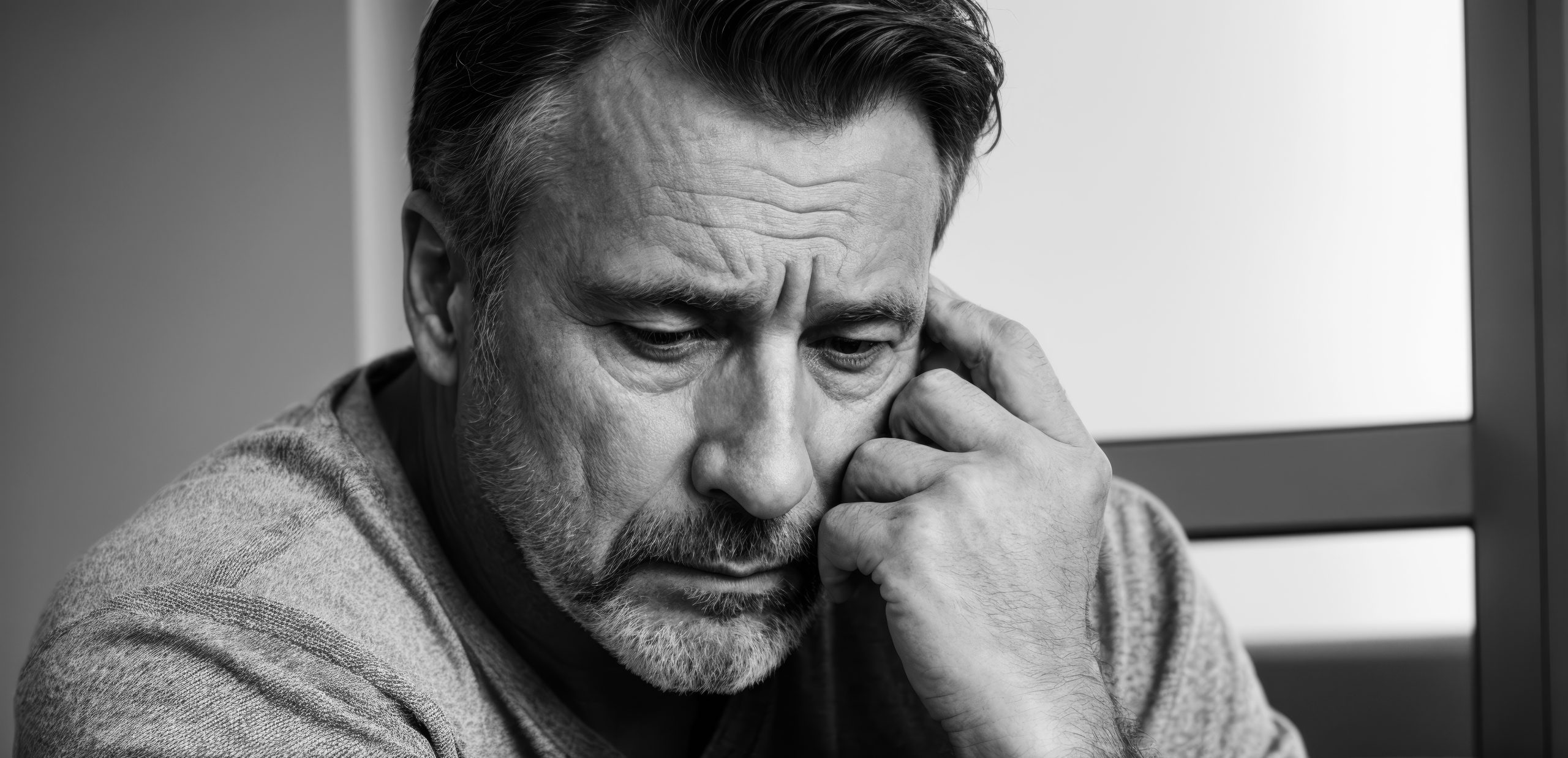





Anger Management for Men West Sussex in Broadbridge Heath RH12
For many men, anger does not begin in the moment it is expressed. Instead, it builds quietly over time, often unnoticed until it reaches a breaking point. In anger management for men West Sussex, one of the most important insights is recognising that anger is rarely sudden. Rather, it is the release of accumulated pressure.
Men in Broadbridge Heath RH12 often describe feeling fine for long periods, only to find themselves reacting strongly in situations that seem minor. However, these reactions are usually the result of stress that has been building beneath the surface. Therefore, the focus of therapy is not only on the reaction itself, but also on what happens before it.
At Eleos Counselling, the work centres on helping men understand this build-up. As a result, anger becomes something that can be recognised earlier and managed more effectively.
The Hidden Pressure Behind Anger
Anger often develops from ongoing internal pressure rather than a single event. This pressure may come from multiple areas of life.
For example:
• Work-related stress and responsibility
• Relationship tension or communication difficulties
• Financial or lifestyle pressures
• Internal expectations about performance or success
Although each of these may seem manageable on its own, together they can create a significant emotional load. Over time, this load increases the likelihood of a strong reaction.
From a neuroscience perspective, the brain’s threat system becomes more sensitive when stress is ongoing. Consequently, the threshold for anger becomes lower. Situations that might previously have felt manageable can begin to trigger intense responses.
Understanding this process is key to reducing reactivity.
The Hidden Pressure Behind Anger
Anger often develops from ongoing internal pressure rather than a single event. This pressure may come from multiple areas of life.
For example:
• Work-related stress and responsibility
• Relationship tension or communication difficulties
• Financial or lifestyle pressures
• Internal expectations about performance or success
Although each of these may seem manageable on its own, together they can create a significant emotional load. Over time, this load increases the likelihood of a strong reaction.
From a neuroscience perspective, the brain’s threat system becomes more sensitive when stress is ongoing. Consequently, the threshold for anger becomes lower. Situations that might previously have felt manageable can begin to trigger intense responses.
Understanding this process is key to reducing reactivity.

Why Anger Reaches a Breaking Point
When emotional pressure is not released or processed, it tends to build. Eventually, the nervous system reaches a point where it can no longer contain this tension.
At this stage, anger may appear suddenly. However, what is being expressed is often the accumulation of multiple experiences.
The brain, particularly the amygdala, responds quickly to perceived threat. At the same time, the prefrontal cortex, responsible for rational thinking, becomes less active. As a result, reactions can feel automatic and difficult to control.
This explains why many men say they “just snapped.” In reality, the process has been developing over time.
Recognising this helps shift the focus from blame to understanding.
Early Warning Signs of Escalation
One of the most effective ways to manage anger is to identify early signs of escalation. These signs often appear before anger reaches its peak.
They may include:
• Increased tension in the body
• Feeling irritable or frustrated
• Changes in breathing or posture
• Negative or rigid thinking patterns
However, these signals are often missed, particularly when men are used to pushing through stress. Therefore, developing awareness is a crucial part of therapy.
Once these early signs are recognised, there is an opportunity to intervene before the situation escalates.
The Impact on Relationships and Daily Life
Unchecked anger can affect multiple areas of life. In relationships, it can lead to repeated conflict, misunderstandings, and emotional distance.
Partners may experience reactions as unpredictable, particularly when the trigger seems small. Over time, this can reduce trust and make communication more difficult.
In addition, anger can impact work and social situations. It may lead to difficulties with colleagues, loss of opportunities, or ongoing stress.
Children are also sensitive to emotional environments. Even when anger is not directed at them, they can be affected by tension within the home.
Recognising these impacts is often what brings men to seek support.
A Neuroscience-Informed Approach to Change
At Eleos Counselling, anger management for men West Sussex is approached through a combination of neuroscience and compassion-focused therapy.
Understanding how the brain responds to stress helps reduce confusion. Anger is not simply a choice. Instead, it is influenced by how the nervous system has learned to respond over time.
Research from clinicians such as Bessel van der Kolk highlights how past experiences can shape current reactions. This means that present-day anger may be linked to earlier patterns.
Importantly, the brain remains capable of change. Through repeated awareness and new experiences, it is possible to develop different responses.
A Compassion-Focused Way Forward
Compassion-focused therapy plays a central role in this work. Developed by Dr Paul Gilbert, this approach recognises the impact of self-criticism on emotional regulation.
Many men respond to anger with harsh internal judgement. However, this often increases pressure rather than reducing it. Therefore, developing self-compassion becomes an important step.
Approaches such as Compassionate Inquiry, influenced by Gabor Maté, also support deeper understanding of emotional patterns. This allows men to explore what lies beneath anger, rather than only focusing on behaviour.
Over time, this creates a more balanced and stable emotional response.
Practical Strategies to Manage Anger
Alongside understanding, practical tools are essential. One effective strategy is the 20-minute rule, which allows the nervous system time to settle before responding.
Additional strategies include:
• Taking space from triggering situations
• Slowing breathing and reducing physical tension
• Reflecting on underlying emotions
• Recognising patterns of build-up
When practiced consistently, these approaches help form new neural pathways. As a result, reactions become less automatic and more considered.
Anger Management Support Near Broadbridge Heath RH12
Eleos Counselling offers anger management for men West Sussex to clients in Broadbridge Heath RH12 and nearby areas including Horsham RH12, Southwater RH13, Billingshurst RH14, and Warnham RH12.
Seeking support is a positive and proactive step. It reflects a willingness to understand patterns and create meaningful change.
Through a combination of neuroscience-informed insight, compassion-focused therapy, and practical strategies, men can develop greater control, improved relationships, and a stronger sense of wellbeing.
Explore anger management support in nearby West Sussex areas
If you are seeking anger management therapy near Broadbridge Heath RH12, you may also wish to explore our work in Billingshurst RH14, Cowfold RH13, and Henfield BN5. In addition, you can read more about our wider approach to anger management support across West Sussex, where we help men understand emotional triggers, regulate strong emotions, and develop greater clarity and control.
Seeking Support
If anger has begun to affect your relationships, work, or wellbeing, professional counselling can help you understand the deeper emotional patterns that may be driving these reactions.
At Eleos Counselling, anger management counselling for men in West Sussex focuses on understanding the roots of anger, developing emotional awareness, and building greater self-compassion.
Phone (landline): 01403 900079
Mobile: 07854 602050
Email: info@eleoscounselling.com
Address: Eleos Counselling, Little East Street, Billingshurst, RH14 9NP
Website: www.eleoscounselling.co.uk
Crisis Support
If you are feeling overwhelmed or concerned that you may harm yourself or someone else, it is important to seek immediate support. You can contact the Samaritans on 116 123, speak to your GP, or contact NHS urgent mental health services.
Professional support is available, and you do not have to face these difficulties alone.


Frequently Asked Questions – Counselling about Anger Management for men at Eleos Counselling, West Sussex
What is anger management counselling for men?
Anger management counselling helps men understand the emotional and psychological causes of their anger rather than simply trying to suppress it. In therapy, we explore how anger develops, what triggers it, and what emotions may sit beneath it, such as shame, frustration, rejection, or unresolved trauma. Many men discover that their anger has been building for years due to stress, relationship difficulties, or earlier life experiences. Counselling provides a structured and compassionate space where these issues can be understood and addressed.
Why do some men struggle with anger more than others?
In our clinical experience, anger in men is often linked to earlier experiences of emotional neglect, disrupted attachment, or environments where vulnerability was discouraged. Many men grow up learning that sadness, fear, or emotional pain should not be expressed. As a result, anger becomes the only socially acceptable way of expressing distress. When frustration, criticism, or perceived disrespect occurs, anger can emerge quickly because the underlying emotional pain has never been safely explored.
Is anger always a bad thing?
No. Anger is a normal human emotion and can sometimes signal that something important needs attention. Problems arise when anger becomes overwhelming, unpredictable, or damaging to relationships and work. When anger begins to affect family life, friendships, or professional responsibilities, it may be helpful to explore what is driving those reactions. Counselling helps men recognise anger as a signal rather than something that defines who they are.
What emotions are usually beneath anger?
In many cases, anger sits on top of deeper emotions such as shame, hurt, loneliness, fear of rejection, or feeling disrespected. Shame is particularly common among men who struggle with anger. When a man feels criticised or exposed, shame can quickly transform into anger as a way of protecting against vulnerability. Therapy helps uncover these underlying emotions so they can be understood rather than acted out through anger.
Can alcohol or drugs make anger worse?
Yes. Alcohol and drugs can significantly increase the likelihood of angry outbursts. Substances often reduce inhibition and weaken the brain’s ability to regulate emotional reactions. When underlying frustrations or unresolved emotional pain are present, alcohol can intensify these feelings and make it harder to respond calmly in difficult situations. For some men, addressing patterns of substance use becomes an important part of anger management work.
How can counselling help with anger problems?
Counselling helps men understand the roots of their anger and develop healthier ways of responding to difficult emotions. One of the most important parts of therapy is creating a non-judgemental space where clients can talk openly about their experiences without fear of shame or criticism. Through reflection, emotional awareness, and compassionate exploration of past experiences, many men begin to recognise their triggers and respond with greater self-control. Over time this can lead to improved relationships, reduced conflict, and a stronger sense of emotional stability.
Additional Support and Community Resources
Men who struggle with anger may also benefit from additional community support. The organisations below provide information, peer support, and specialist services related to men’s mental health, addiction, and emotional wellbeing.
Men’s Mental Health and Peer Support
ANDYSMANCLUB
Peer-to-peer support groups for men across the UK. Groups provide a safe space for men to talk openly about mental health and emotional difficulties. (ANDYSMANCLUB)
https://andysmanclub.co.uk/
UK Men’s Sheds Association
Community workshops where men can meet, build projects, and connect socially. Research suggests these groups help reduce loneliness and improve wellbeing among men. (UKMSA Men’s Sheds Association)
https://menssheds.org.uk/
Addiction and Substance Misuse Support
Alcoholics Anonymous (AA)
Peer support meetings for individuals who want to stop drinking. Meetings are available across the UK. (Mind)
https://www.alcoholics-anonymous.org.uk/
Turning Point
Provides support for individuals experiencing drug and alcohol problems, mental health difficulties, and other complex needs. (Wikipedia)
https://www.turning-point.co.uk/
Gambling Addiction Support
GamCare
Provides confidential support, advice, and counselling for people affected by gambling harm, including a national helpline. (Wikipedia)
https://www.gamcare.org.uk/
General Mental Health Support
Mental Health UK
Provides mental health advice, support services, and information on wellbeing, financial stress, and emotional resilience. (Mental Health UK)
https://mentalhealth-uk.org/
Immediate Emotional Support
Samaritans
24-hour confidential support for anyone experiencing emotional distress.
Phone: 116 123
https://www.samaritans.org/
Disclaimer
The organisations listed above are provided for information and signposting purposes only. Eleos Counselling is not affiliated with, nor responsible for, the content, availability, or services offered by external organisations. Inclusion on this page does not constitute an endorsement. If you are in immediate danger or crisis, please contact emergency services, your GP, or NHS urgent mental health services.
Begin Your Journey Toward Balance
To learn more or to book your first session, please contact us today.
We’re here to help you move beyond survival and toward a life defined by calm, clarity, and resilience.
Eleos Counselling, West Sussex
Phone (landline): 01403 900079
Mobile: 07854 602050
Email: info@eleoscounselling.com
Address: Eleos Counselling, Little East Street, Billingshurst, RH14 9NP
Website: www.eleoscounselling.co.uk
Tony Larkin FDA,BA (Hons) MBACP (Acc)
Disclaimer: The organisations listed below are provided for information and additional support only. Eleos Counselling is not affiliated with, endorsed by, or responsible for the content, availability, or services offered by external organisations or third-party websites.
I’m Tony Larkin, a qualified psychotherapist and counsellor based in West Sussex. As the founder of Eleos Counselling, I provide a safe, supportive space for people facing challenges such as anxiety, addiction, perfectionism, trauma, and relationship difficulties. With years of experience, I combine professional knowledge with compassion, helping clients find new perspectives, rediscover confidence, and build healthier connections. My approach is rooted in empathy and the belief that lasting change comes through understanding, self-compassion, and support
Stay In Touch
Office
Eleos Counselling Ltd The Workshop, Little East Street, Billingshurst, West Sussex RH14 9NP
Phone Number
01403 900097
Policy owner: Eleos Counselling
Applies to: Directors, counsellors, psychotherapists, student counsellors, associates, administrative staff, volunteers, clients and visitors
Current organisation size: One practitioner
Planned organisational size: Up to two student placements and a maximum of approximately seven people in future
Premises: Eleos Counselling, Little East Street, Billingshurst, RH14 9NP
Review date: Annually, or sooner if the organisation grows, premises change, incidents occur, or legal/professional guidance changes
1. Purpose of this policy
Eleos Counselling is committed to providing a safe, respectful and well-managed environment for clients, practitioners, student counsellors, staff, associates and visitors.
This policy sets out how Eleos Counselling will manage health and safety in a way that is proportionate to a small counselling practice. The policy recognises that Eleos Counselling is currently a one-person organisation, but may take on up to two student placements and grow to a maximum of approximately seven people over the next few years.
The aim of this policy is to protect the health, safety and welfare of clients, staff, students and visitors. It also aims to identify and manage risks within the counselling environment, ensure students and future staff understand health and safety arrangements, provide clear procedures for emergencies, accidents, incidents and concerns, support safe face-to-face and online counselling practice, and maintain a safe and professional working environment in line with legal, ethical and professional responsibilities.
2. Scope
This policy applies to all Eleos Counselling activities, including face-to-face counselling sessions, online counselling sessions, student placement activity, clinical supervision and case discussion held on site, administrative work carried out for Eleos Counselling, client arrivals and departures, use of counselling rooms, waiting areas, toilet facilities and shared spaces, and emergency situations involving clients, students, staff or visitors.
This policy should be read alongside Eleos Counselling’s Safeguarding Policy, Client Safety and Risk Policy, GDPR and Data Protection Policy, Confidentiality and Record-Keeping Procedure, Lone Working Policy, Student Placement Policy and Practice Framework, Equality, Diversity and Inclusion Policy, and Complaints Procedure.
3. Statement of intent
Eleos Counselling will take reasonable and proportionate steps to provide a safe environment for all people using or working within the service.
Eleos Counselling will provide a safe and suitable counselling environment, identify and manage foreseeable risks, review health and safety arrangements regularly, ensure students and future staff receive appropriate induction, maintain appropriate first aid and emergency arrangements, keep counselling rooms and shared areas safe, clean and fit for use, record accidents, incidents and near misses, respond promptly to health and safety concerns, ensure that health and safety responsibilities are understood, and seek professional, legal, insurance or specialist advice where needed.
4. Legal and professional context
Eleos Counselling recognises its responsibilities under UK health and safety law and relevant professional standards.
A health and safety policy should set out the general approach to health and safety and explain who does what, when and how. For a small organisation, this policy should remain practical, proportionate and easy to follow.
Eleos Counselling also recognises that health and safety is connected to ethical counselling practice. Health and safety within a counselling service includes physical safety, emotional safety, clinical risk awareness, confidentiality, safeguarding, and the safe use of premises and systems.
5. Responsibilities
5.1 Overall responsibility
The owner/director of Eleos Counselling has overall responsibility for health and safety within the organisation.
This includes responsibility for maintaining this policy, carrying out or arranging risk assessments, ensuring the premises are suitable for counselling work, maintaining emergency procedures, providing induction to students, associates or future staff, recording and reviewing accidents, incidents and near misses, taking reasonable steps to reduce risk, ensuring insurance arrangements are reviewed, and seeking advice where specialist input is needed.
5.2 Responsibilities of student counsellors, associates and future staff
All student counsellors, associates, employees, volunteers or future staff must read and follow this policy. They must also take reasonable care of their own health and safety and take reasonable care of clients and others who may be affected by their actions.
They are expected to report hazards, incidents, accidents or concerns promptly, follow fire, first aid, safeguarding, lone working and emergency procedures, keep counselling rooms safe and professional, avoid blocking exits or creating trip hazards, use equipment safely, attend induction or training where required, and work within Eleos Counselling’s professional and clinical policies.
5.3 Responsibilities of clients and visitors
Clients and visitors are expected to use the premises respectfully and safely, follow any emergency instructions, inform Eleos Counselling of any relevant access, mobility or health needs, avoid bringing hazardous items onto the premises, respect the safety and privacy of others, and inform Eleos Counselling if they notice a hazard or safety concern.
6. Risk assessment
Eleos Counselling will carry out proportionate risk assessments to identify hazards and reduce foreseeable risks.
Risk assessments may include general premises safety, fire safety, slips, trips and falls, lone working, client distress or crisis, aggression or threatening behaviour, student placement activity, online counselling safety, manual handling where relevant, display screen equipment where relevant, infection control and hygiene, and accessibility considerations.
Risk assessments will be reviewed annually, when the organisation grows, when students are introduced, after any accident, incident or near miss, when the premises or room arrangements change, when new activities are introduced, or if a health and safety concern is raised.
7. Premises safety
Eleos Counselling will aim to ensure that the counselling environment is safe, clean, private and suitable for therapeutic work.
This includes checking that entrances and exits are clear, walkways are free from obvious trip hazards, lighting is adequate, furniture is safe and suitable, electrical equipment appears safe and undamaged, rooms are ventilated where possible, toilet facilities are safe and hygienic, client privacy is maintained, emergency exits are not obstructed, and the environment is emotionally and physically appropriate for counselling.
Any hazards identified should be addressed promptly. Where the hazard cannot be resolved immediately, reasonable steps should be taken to reduce risk until it can be addressed.
8. Fire safety and evacuation
Eleos Counselling will maintain clear fire safety arrangements suitable for a small counselling practice.
Arrangements will include ensuring exits are kept clear, knowing the evacuation route, informing students, staff and associates of fire procedures during induction, ensuring clients can be safely guided out of the building if an alarm sounds, not storing combustible materials unnecessarily, reporting or addressing fire hazards promptly, and checking that any fire safety equipment provided by the building or premises is accessible and not obstructed.
In the event of fire or suspected fire, the session should stop immediately. Everyone should leave the building by the safest available route. No one should stop to collect belongings. Emergency services should be contacted if required. No one should re-enter the building until it is safe to do so. The incident should be recorded afterwards.
If a client has mobility, sensory or access needs, reasonable steps should be taken to consider evacuation arrangements before or at the start of therapy.
9. First aid arrangements
Eleos Counselling will maintain proportionate first aid arrangements for a small, low-risk counselling setting.
Eleos Counselling will ensure that a suitable first aid box is available, the first aid box is checked periodically, students and future staff know where the first aid box is located, emergency services are contacted where needed, accidents or medical incidents are recorded, and first aid arrangements are reviewed as the organisation grows.
If Eleos Counselling grows or the risk profile changes, first aid arrangements will be reviewed and may include appointing a trained first aider.
10. Accidents, incidents and near misses
All accidents, incidents and near misses should be recorded and reviewed.
This may include slips, trips or falls, injury to a client, student, staff member or visitor, medical emergencies, fire or evacuation incidents, threatening or aggressive behaviour, damage to property affecting safety, environmental hazards, significant emotional or behavioural incidents affecting safety, or any incident involving a student counsellor that raises safety concerns.
Records should include the date and time, the person involved, a brief factual description, immediate action taken, whether emergency services were contacted, whether safeguarding procedures were triggered, follow-up action required, and the name of the person completing the record.
For clinical incidents, records should also be made on WriteUpp where they relate to client care, risk or safeguarding. Incident records should be stored securely and handled in line with GDPR and confidentiality requirements.
11. Lone working
As Eleos Counselling is currently a one-person organisation, lone working is an important part of health and safety.
The Lone Working Policy should be followed whenever a practitioner, student, associate or staff member is working alone on site.
Lone working arrangements may include ensuring someone knows when the practitioner is on site, checking the room and exit route before sessions, keeping a charged mobile phone available, having emergency numbers accessible, using professional judgement around client suitability, ending or not starting a session if safety concerns are present, ensuring students do not work alone without an agreed arrangement, using check-in and check-out procedures where appropriate, and reviewing any client behaviour that creates concern.
Students should not be left to manage high-risk or unsafe situations without clear access to support.
12. Client distress, crisis and clinical risk
Counselling may involve emotional distress. Health and safety therefore includes psychological safety, not only physical safety.
Eleos Counselling will manage client distress and risk through appropriate assessment, clear contracting, client suitability screening, ongoing risk review, safeguarding procedures, clinical supervision, clear emergency escalation, accurate WriteUpp records, and referral or signposting where needed.
Where a client presents with immediate risk to self or others, the practitioner or student should follow Eleos Counselling’s Client Safety and Risk Policy and Safeguarding Policy.
If a client becomes physically unwell, highly distressed, threatening, disorientated or unsafe to leave alone, appropriate action may include contacting emergency services, a GP, safeguarding services, an emergency contact, or another appropriate professional service.
13. Aggression, threats or unsafe behaviour
Eleos Counselling aims to provide a calm and respectful therapeutic environment. However, the possibility of aggression, intimidation or unsafe behaviour must be considered.
Examples of unsafe behaviour may include threats, intimidation, harassment, stalking, sexualised behaviour toward staff or students, damage to property, refusal to leave the premises, attending under the influence of alcohol or drugs in a way that creates risk, or bringing weapons or dangerous items onto the premises.
Where safety is at risk, the practitioner or student may end the session, leave the room or building if safe to do so, contact emergency services, contact the placement lead or supervisor, decline further sessions, record the incident, and review client suitability.
Students must report any threatening, sexualised or unsafe behaviour immediately to the placement lead.
14. Student placement health and safety
Before beginning placement activity, student counsellors must receive induction into relevant health and safety procedures.
This should include fire evacuation procedure, first aid arrangements, accident and incident reporting, lone working rules, client arrival and departure arrangements, use of counselling rooms, emergency contacts, client distress and risk escalation, safeguarding procedure, WriteUpp record-keeping expectations, confidentiality and GDPR, and how to contact the placement lead.
Students must not see clients until they have completed the required induction and confirmed they understand relevant policies.
Students should only see clients who have been assessed as suitable for student placement work. Clients should be reviewed by a senior member of Eleos Counselling before allocation.
15. Online counselling health and safety
Where Eleos Counselling provides online counselling, reasonable steps will be taken to support safety.
This may include checking that online work is clinically suitable, confirming the client is in a private and safe location, confirming the client’s location at the start of the session where clinically appropriate, obtaining emergency contact details where appropriate, having a plan if the online connection fails, ensuring the practitioner or student works from a private location, using secure and appropriate technology, and recording relevant risk or safety concerns on WriteUpp.
Students may only offer online counselling if this has been approved by Eleos Counselling and their training provider, and if appropriate supervision is in place.
16. Infection control and hygiene
Eleos Counselling will maintain basic infection control and hygiene procedures appropriate to a counselling setting.
This may include keeping rooms clean and tidy, maintaining hand hygiene, ensuring tissues and waste disposal are available, ventilating rooms where possible, encouraging clients, students or staff not to attend in person if they are significantly unwell or infectious, offering online sessions where clinically appropriate and practical, cleaning shared surfaces where needed, and reviewing infection control arrangements if public health guidance changes.
17. Electrical equipment
Electrical equipment used by Eleos Counselling should be safe, suitable and in good condition.
This may include lamps, chargers, computers, printers, routers, and heating or cooling equipment where used.
Any damaged equipment, exposed wires, overheating plugs or unsafe electrical items should be taken out of use immediately and repaired or replaced.
Cables should be positioned to reduce trip hazards.
18. Manual handling and room setup
Counselling work is usually low risk for manual handling. However, care should still be taken when moving furniture, files, equipment or supplies.
People working with Eleos Counselling should avoid lifting items that are too heavy, ask for help where needed, use safe lifting principles, avoid creating trip hazards when moving furniture, and ensure chairs and room layout remain safe for clients and practitioners.
19. Display screen equipment and administrative work
Where staff, students or associates undertake regular computer-based work, Eleos Counselling will encourage safe and comfortable use of display screen equipment.
This may include appropriate chair and desk setup where possible, regular breaks from screen work, safe positioning of laptop or monitor, awareness of posture, eye strain and repetitive strain, and reviewing arrangements if administrative roles increase in future.
20. Confidentiality and physical safety of records
Health and safety also includes safe handling of confidential records.
Eleos Counselling uses WriteUpp for clinical records. Students, staff and associates must not leave identifiable client information visible or unattended.
Physical documents, if used, should be kept to a minimum, stored securely, not left in counselling rooms or public areas, disposed of securely when no longer needed, and handled in line with Eleos Counselling’s GDPR and Data Protection Policy.
21. Visitors and contractors
Visitors and contractors should be managed in a way that protects client privacy and safety.
Where contractors attend the premises, Eleos Counselling should consider whether clients are present, whether confidential conversations could be overheard, whether access to therapy rooms or records is restricted, whether work creates trip, noise, fire or other risks, and whether sessions need to be rearranged.
Contractors should not have access to confidential client information.
22. Emergency contacts and procedures
Eleos Counselling will keep emergency contact information accessible to relevant practitioners, students and staff.
This may include emergency services, NHS urgent help, local safeguarding contacts, building or premises contact, placement lead contact, supervisor contact where appropriate, client emergency contact where clinically appropriate and consented, and student emergency contact where appropriate.
In an emergency, immediate safety takes priority. Confidentiality may be breached where necessary to prevent serious harm, in line with Eleos Counselling’s safeguarding, risk and confidentiality policies.
23. Insurance
Eleos Counselling will maintain appropriate insurance arrangements for its work.
Before taking on student placements, Eleos Counselling should confirm with its insurer that the policy covers student counsellors, client work undertaken by students, face-to-face work, online work if offered, premises-related liability, public liability, professional indemnity, and employer responsibilities if relevant.
Insurance arrangements should be reviewed if the organisation grows or changes.
24. Training and induction
Health and safety training will be proportionate to Eleos Counselling’s size and risk profile.
For students, associates or future staff, induction should include this Health and Safety Policy, fire evacuation procedure, first aid arrangements, Lone Working Policy, Client Safety and Risk Policy, Safeguarding Policy, incident reporting, GDPR and confidentiality, WriteUpp use, emergency contacts, and room use and premises safety.
Induction should be recorded and signed by the student, associate or staff member.
25. Monitoring and review
Eleos Counselling will monitor health and safety through annual policy review, review of incidents and near misses, feedback from students, clients or staff, supervision and reflective practice, review of risk assessments, premises checks, insurance review, and updates in law, HSE guidance or professional guidance.
This policy will be reviewed sooner if an accident or serious incident occurs, a student placement begins, a new staff member or associate joins, the premises change, the organisation reaches five or more employees, new services are introduced, or health and safety concerns are raised.
26. Proportionate approach for a small organisation
Eleos Counselling recognises that it is currently a very small organisation. Therefore, health and safety arrangements should be clear, practical and proportionate.
At the current stage, the priority is to ensure that risks are identified and reviewed, clients are seen in a safe and suitable environment, student counsellors receive clear induction, emergency procedures are known, first aid and fire arrangements are clear, incidents are recorded, lone working is managed carefully, and client distress and safeguarding risks are escalated appropriately.
As Eleos Counselling grows, this policy should become more formalised, especially if the organisation reaches five or more employees. At that point, a written health and safety policy becomes a legal requirement under HSE guidance.
Separate printable forms
You can keep the following as separate tick-box documents for each student file:
Appendix 1: Basic Health and Safety Induction Checklist
Use this as a signed induction record for each student, associate or future staff member.
Appendix 2: Simple Premises Safety Checklist
Use this as a practical room/building safety check. This could be completed weekly, monthly, or before student work begins.